
Statistics: The High Human Cost of Intra-Muslim Wars

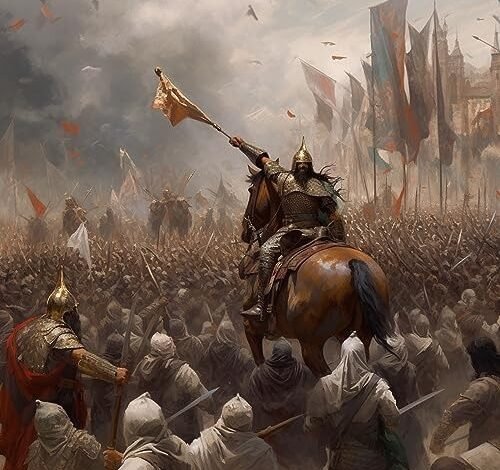
The most pivotal and celebrated battles in early Islamic history took place during the caliphates of Abū Bakr and ʿUmar: al-Qādisiyya, al-Yarmūk, al-Jisr, al-Buwayb, Jalūlāʾ, and Nahāwand. These campaigns led to the expansion of vast kingdoms and territories under Islamic rule. Subsequent battles did not match their scale or significance, except for the Battle of Ḥaṭṭīn under Ṣalāḥ al-Dīn al-Ayyūbī; the Battle of Kosovo in 1389 CE, where Ottoman Sultan Murād I defeated the Serbs and killed their king; the conquest of Constantinople by Sultan Muḥammad II in 1453 CE; and the Battle of Buda (Budapest), when Sultan Sulaymān seized Hungary in 1526 CE.
All other wars and conflicts can be classified into two types: either they did not achieve the significance and results of the foundational battles of Islam, or they involved Muslim armies fighting against fellow Muslims.