"ICGER" Symposium on the Origins of Terrorism and Takfir in Islamic History

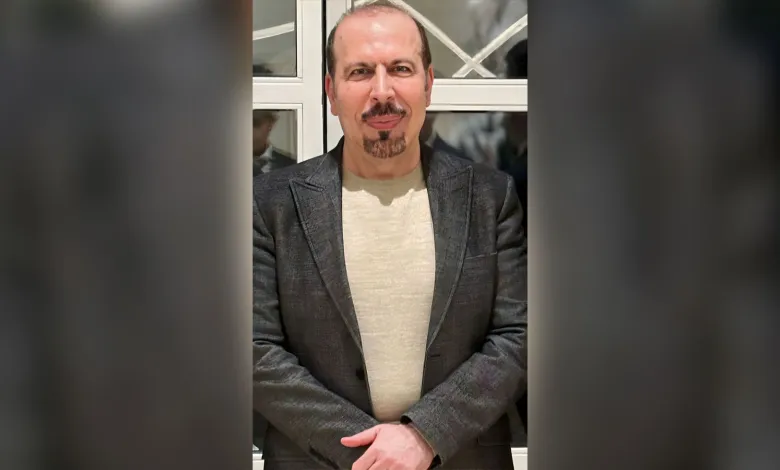
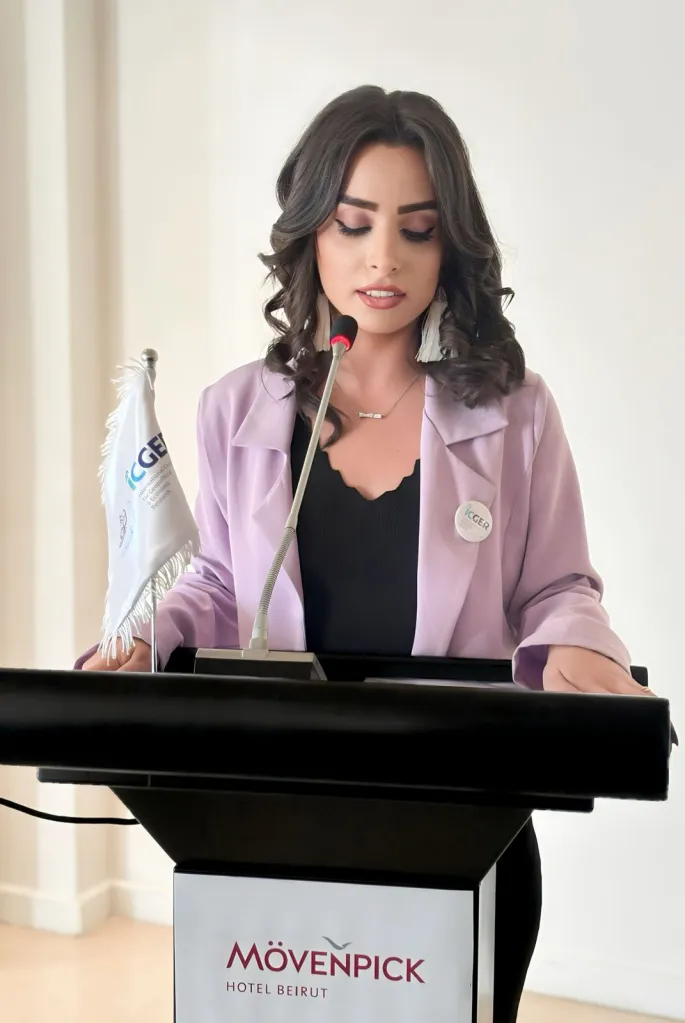
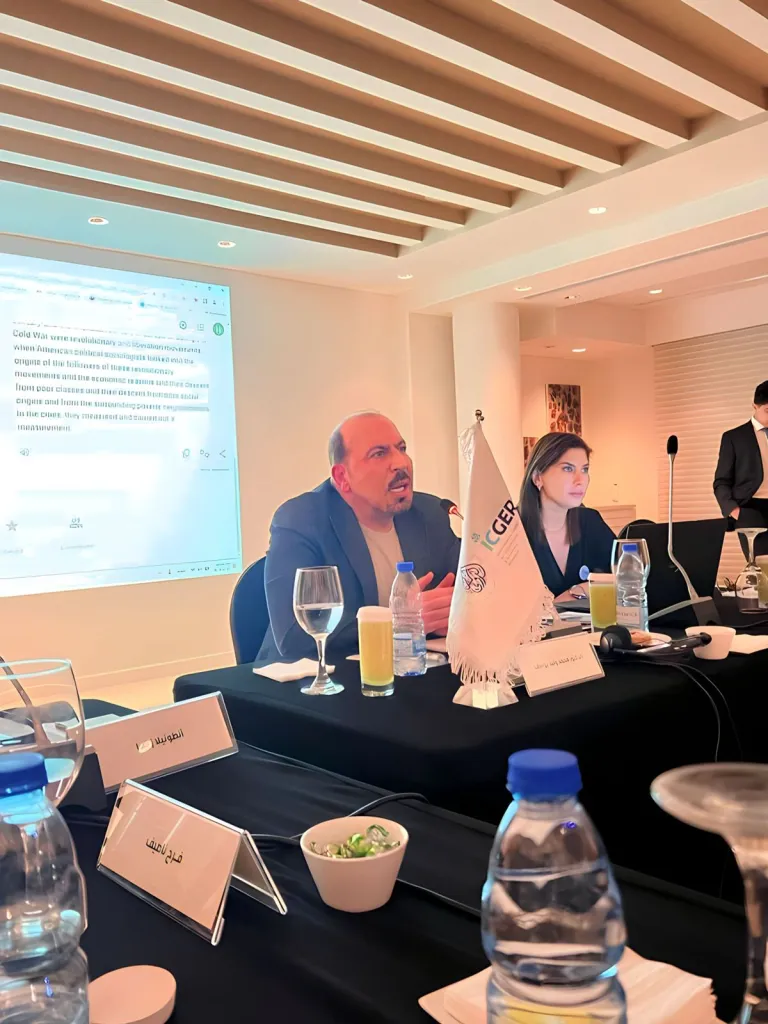
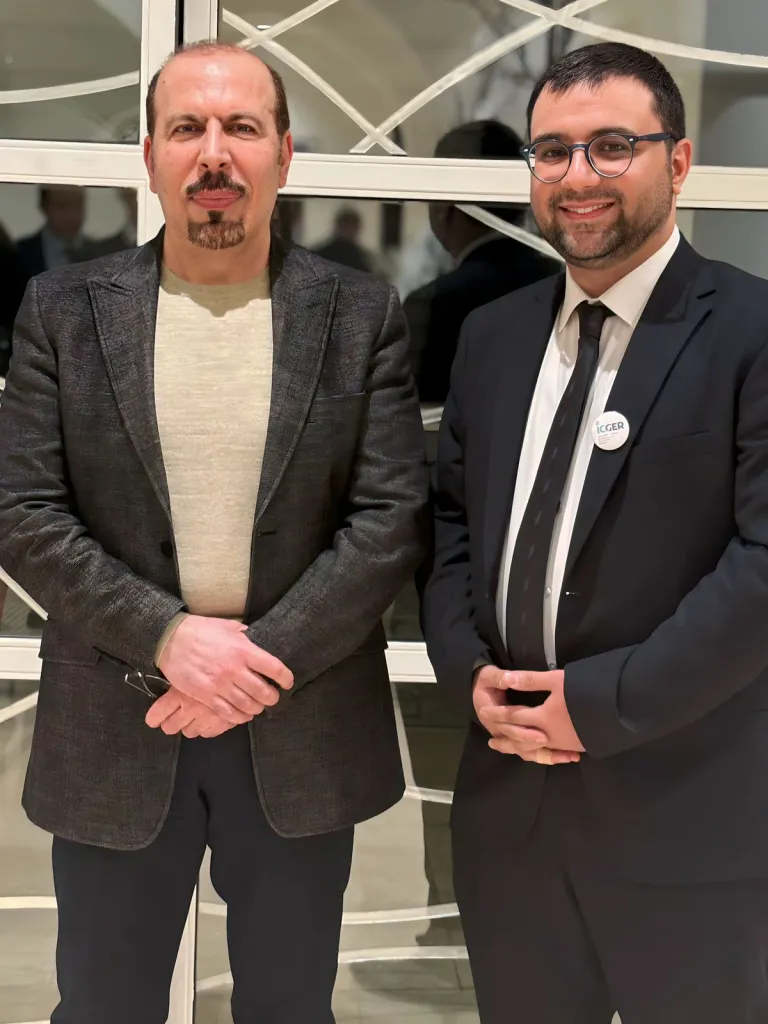
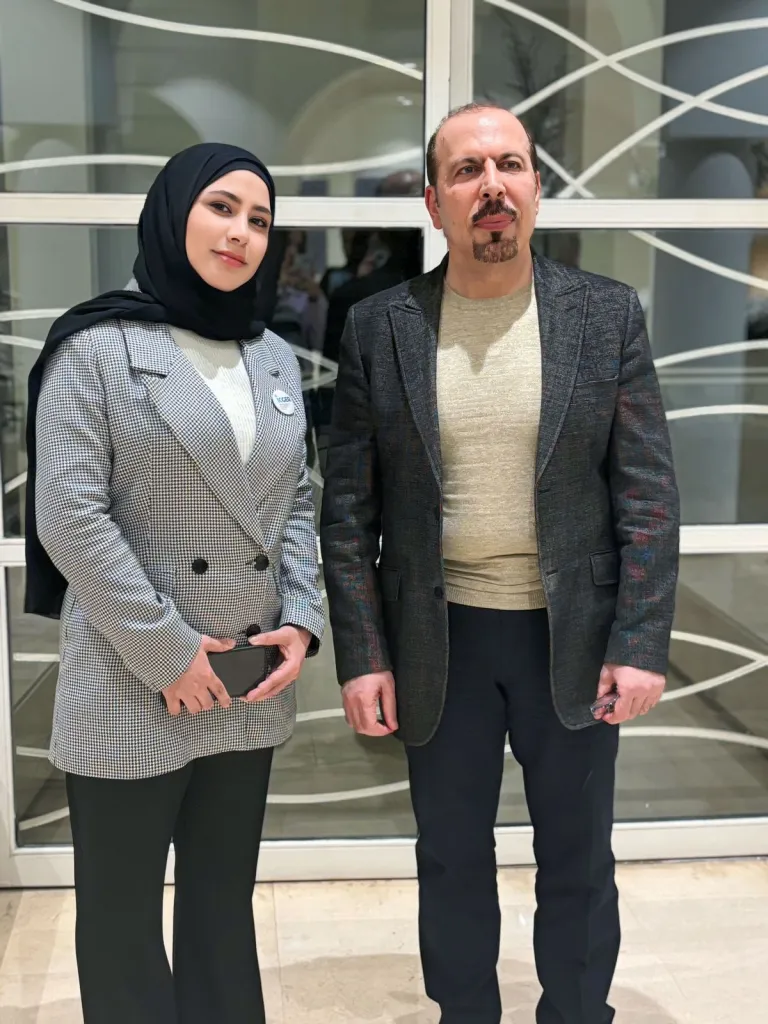
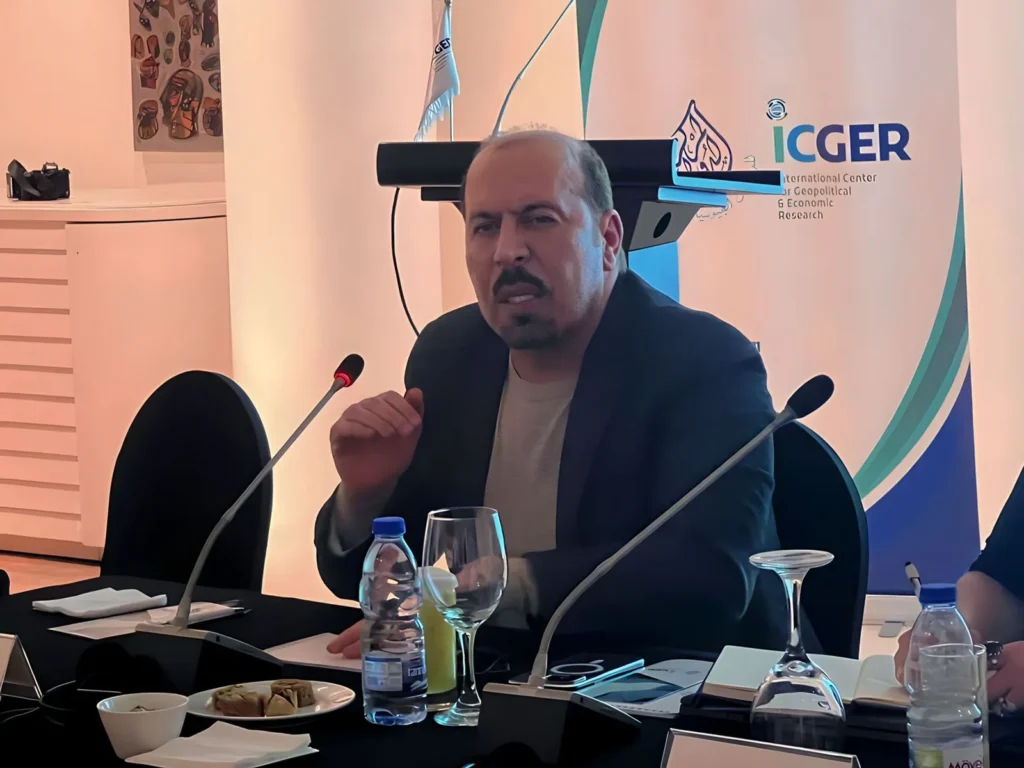
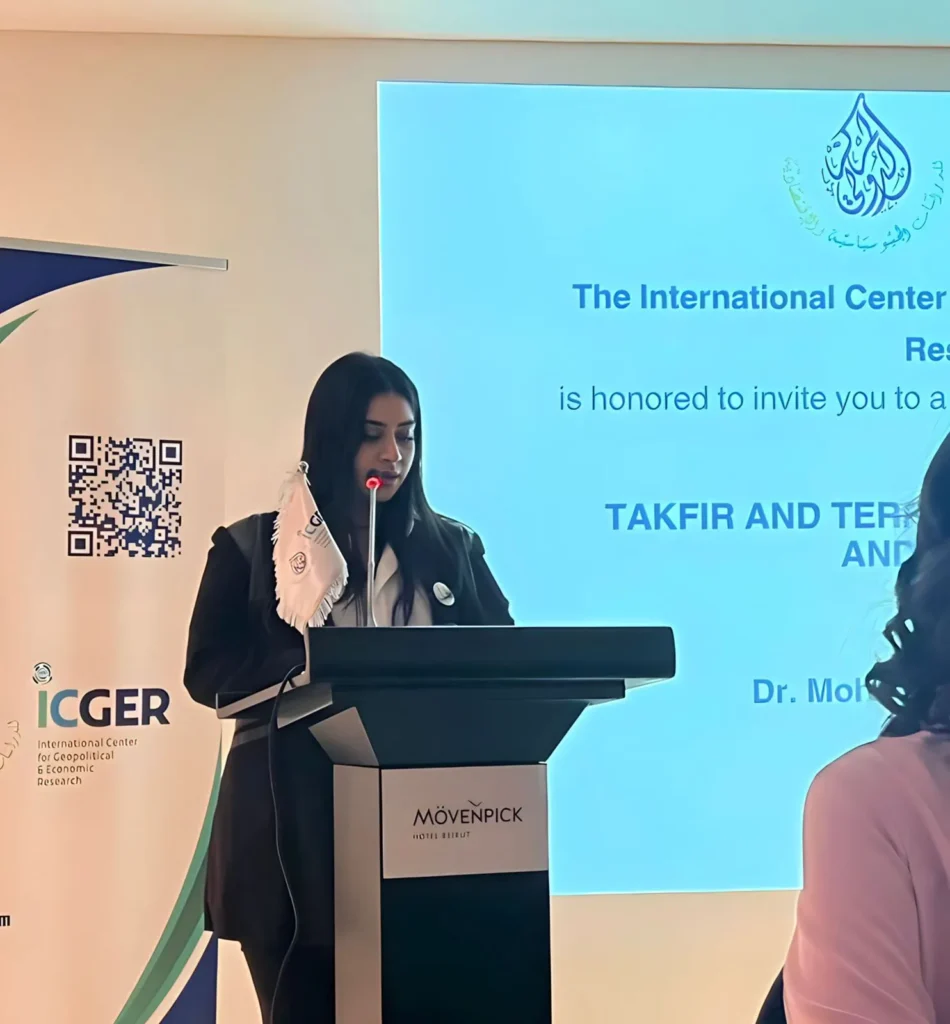
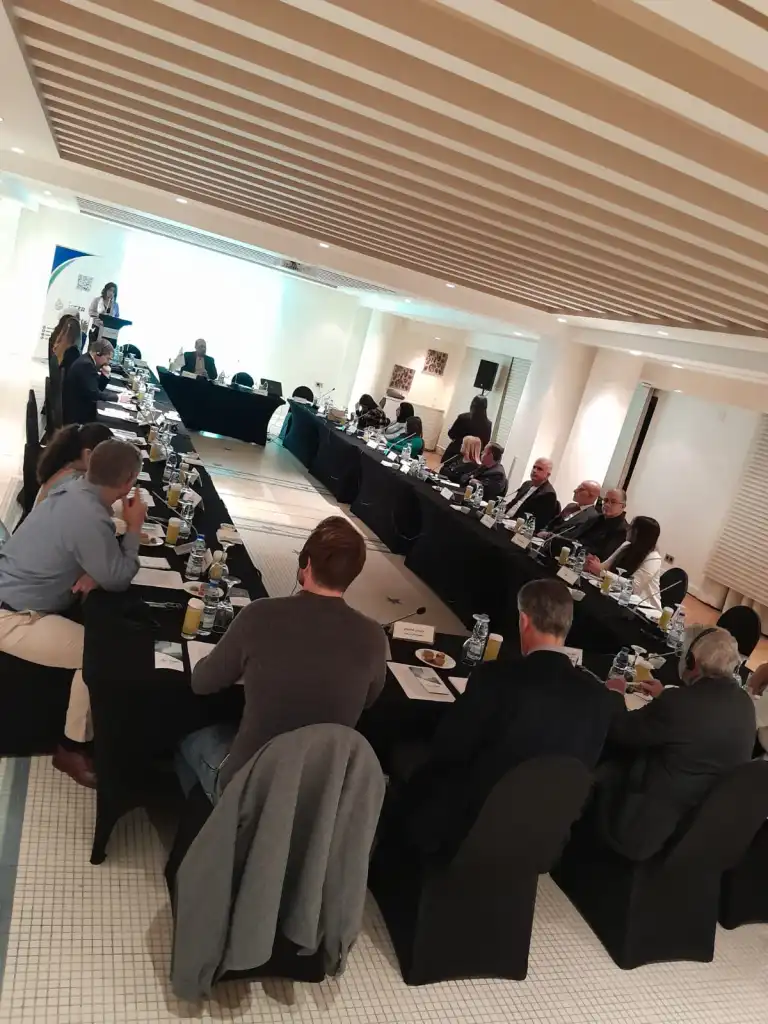
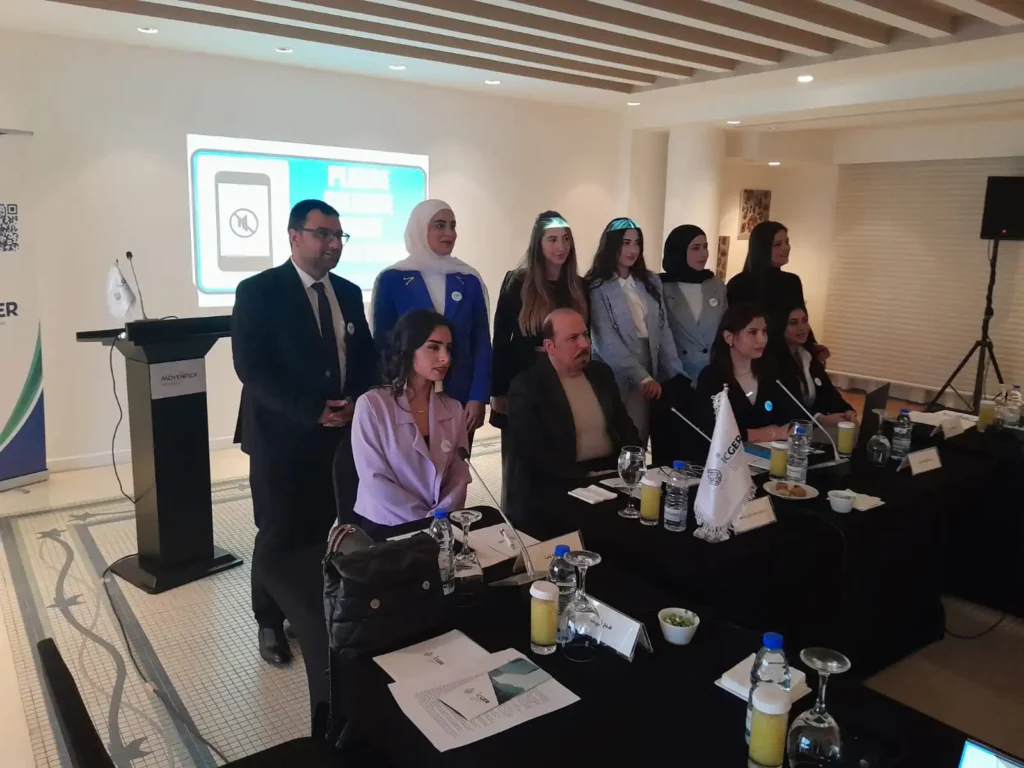
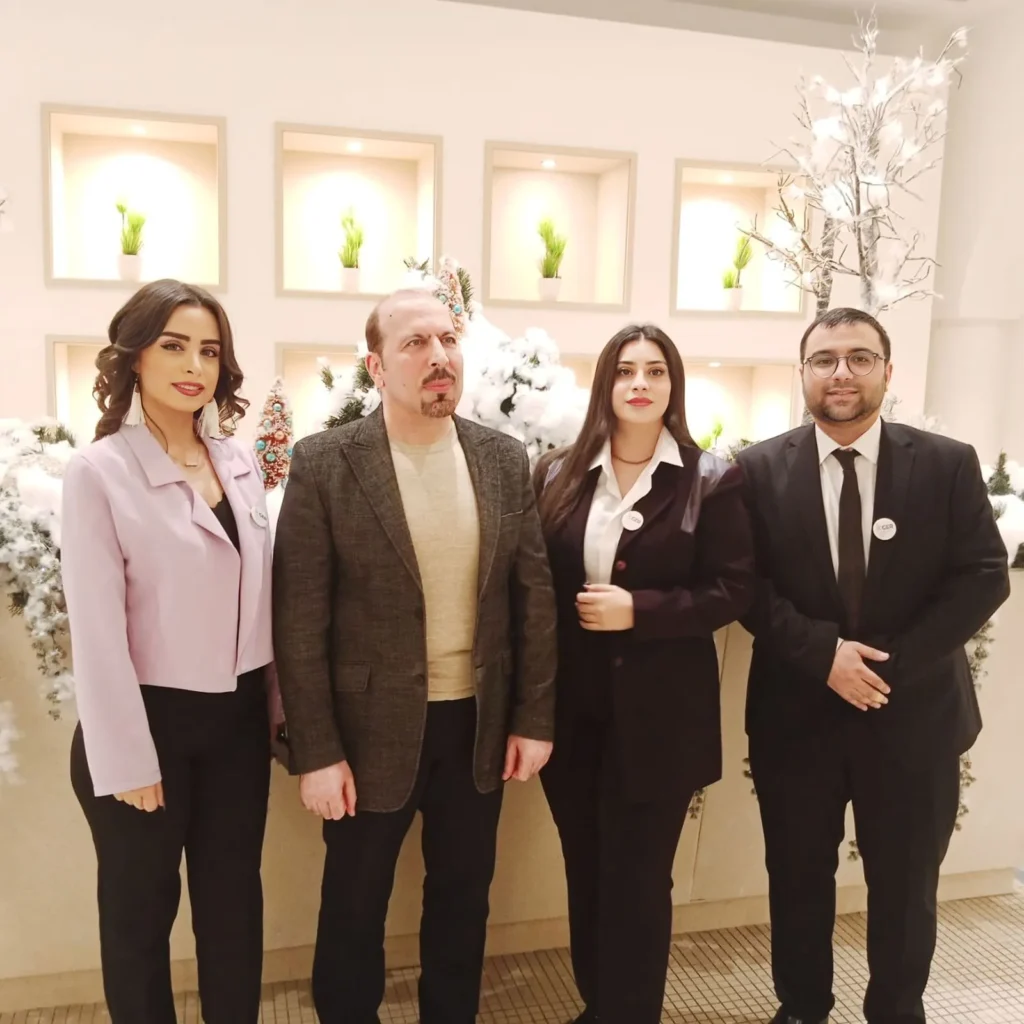
The International Center for Geopolitical and Economic Research (ICGER) held a symposium entitled “Takfir and Terrorism: Roots and Diagnosis,” part of a planned series of symposiums on the topic. Dr. Muhammad Walid Youssef hosted the event on Friday, 12/1/2023, at the Movenpick Hotel – in Beirut.
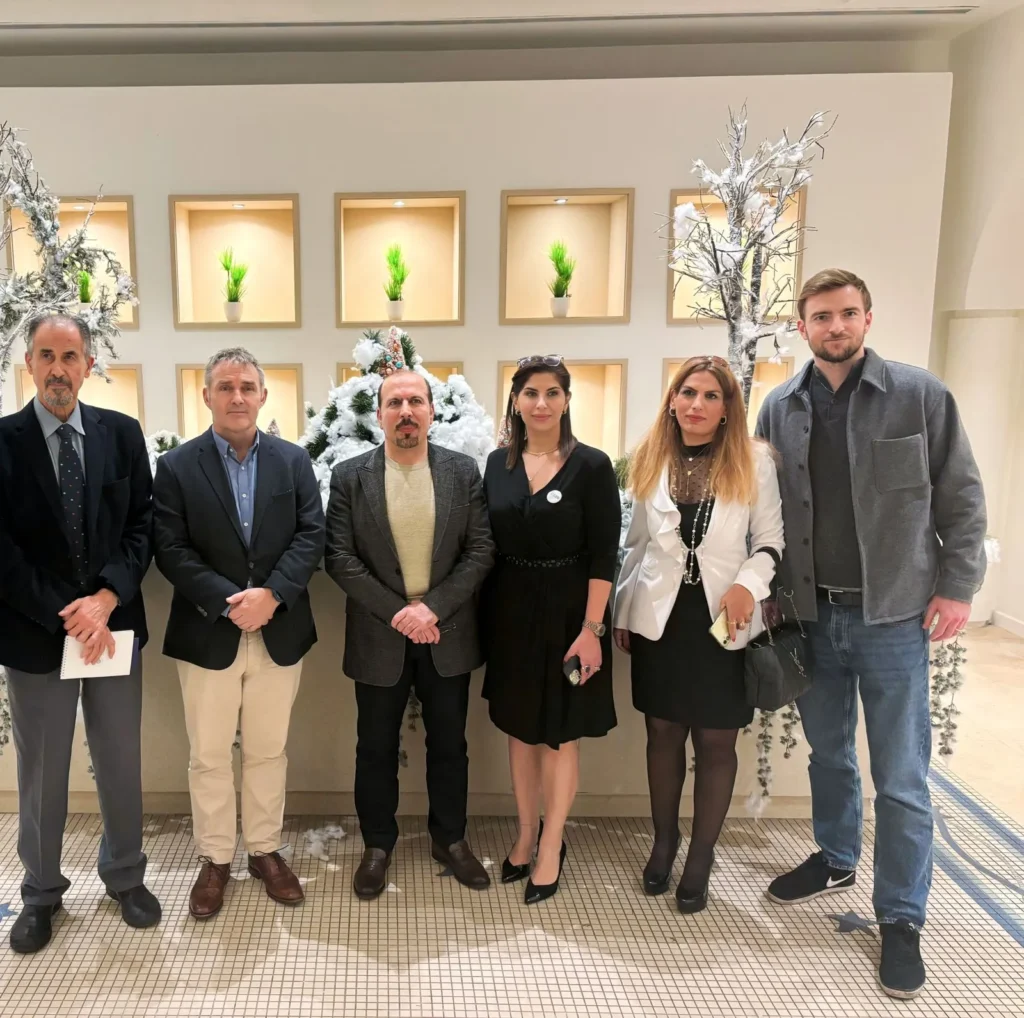
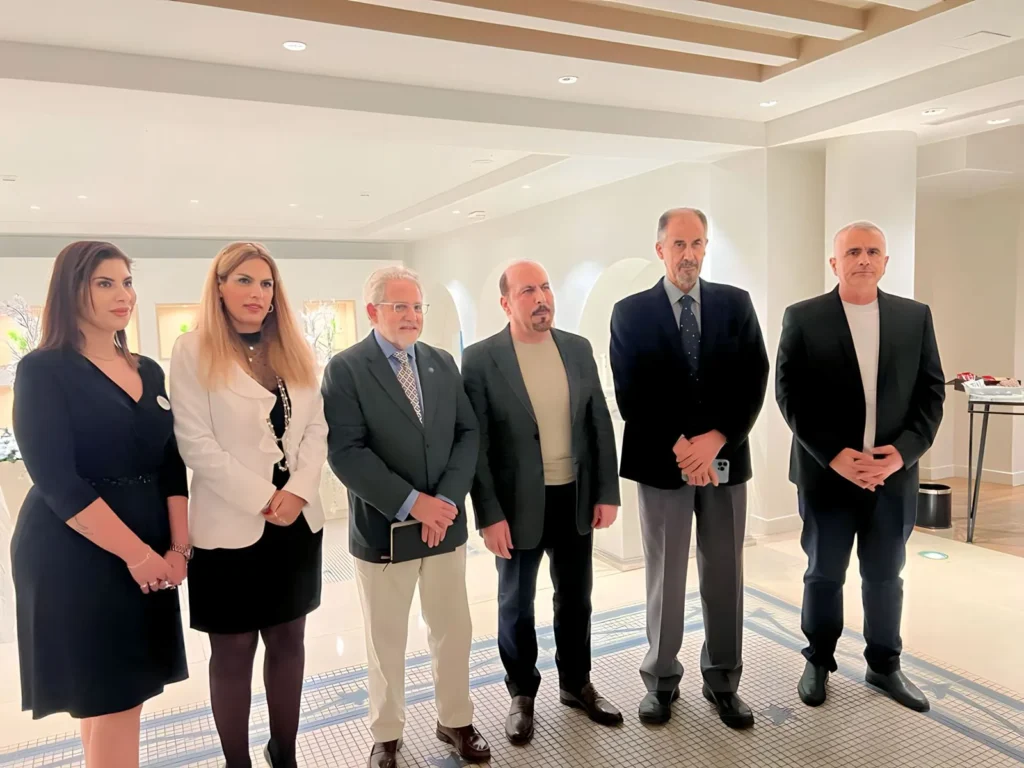
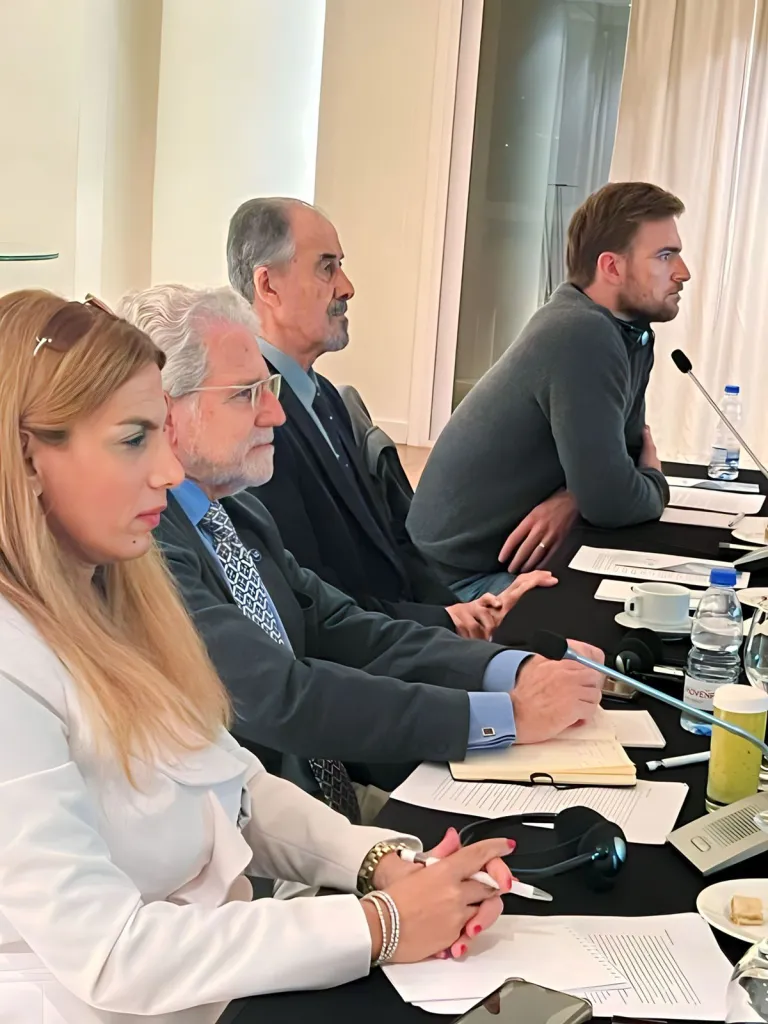
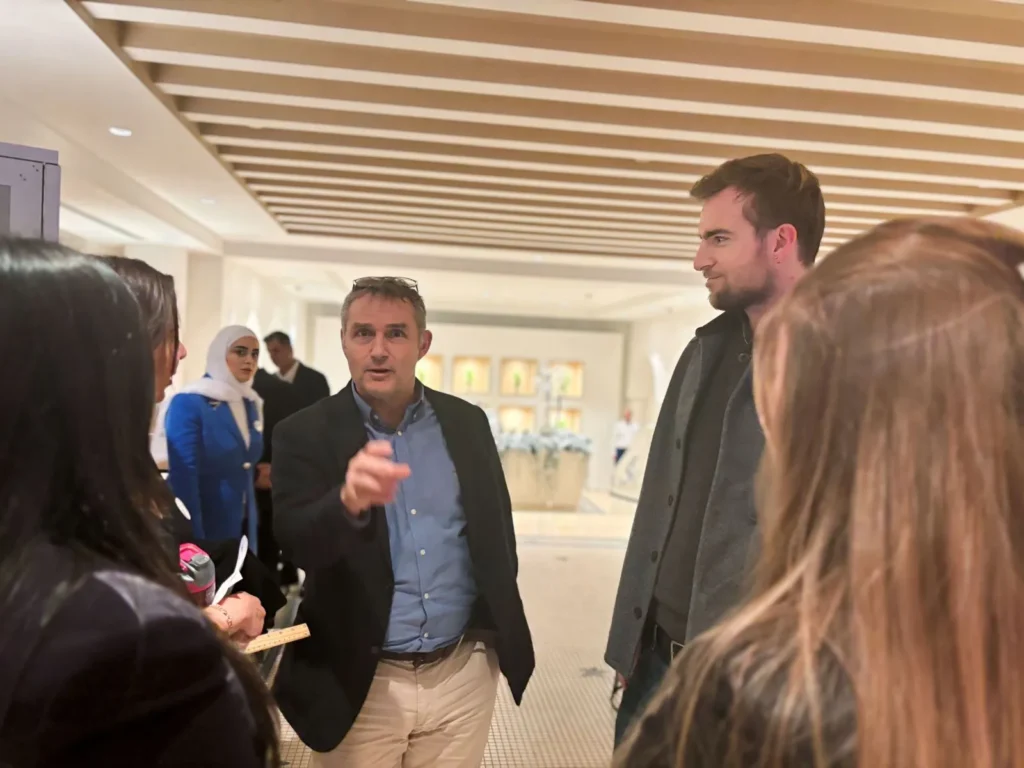
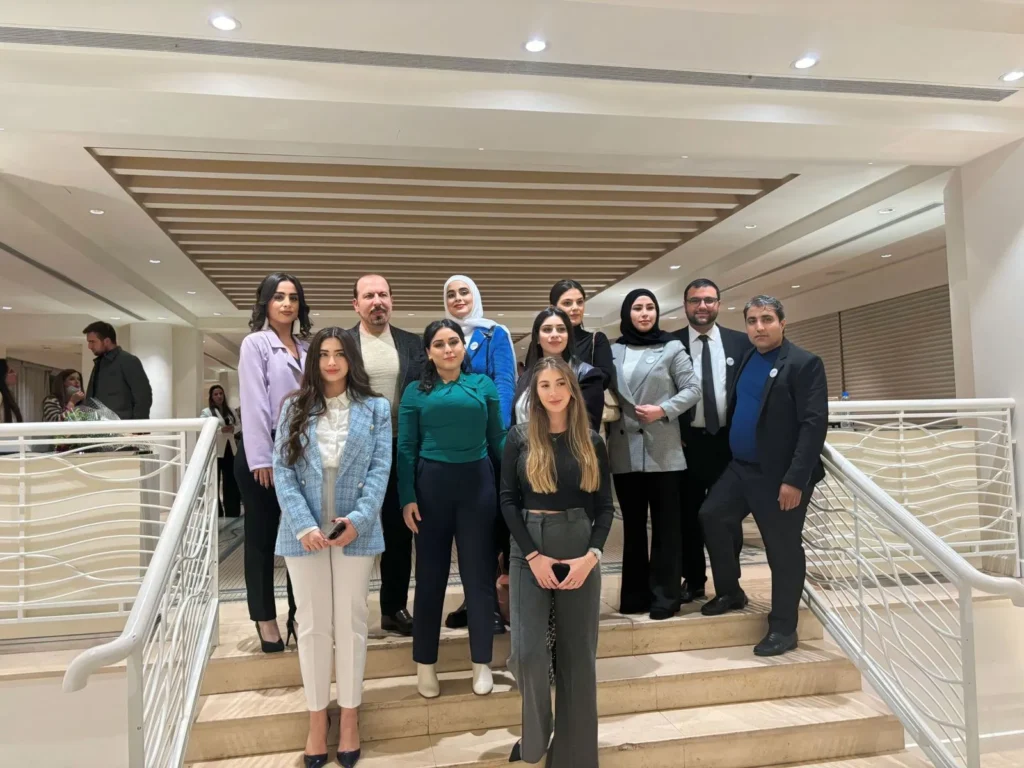
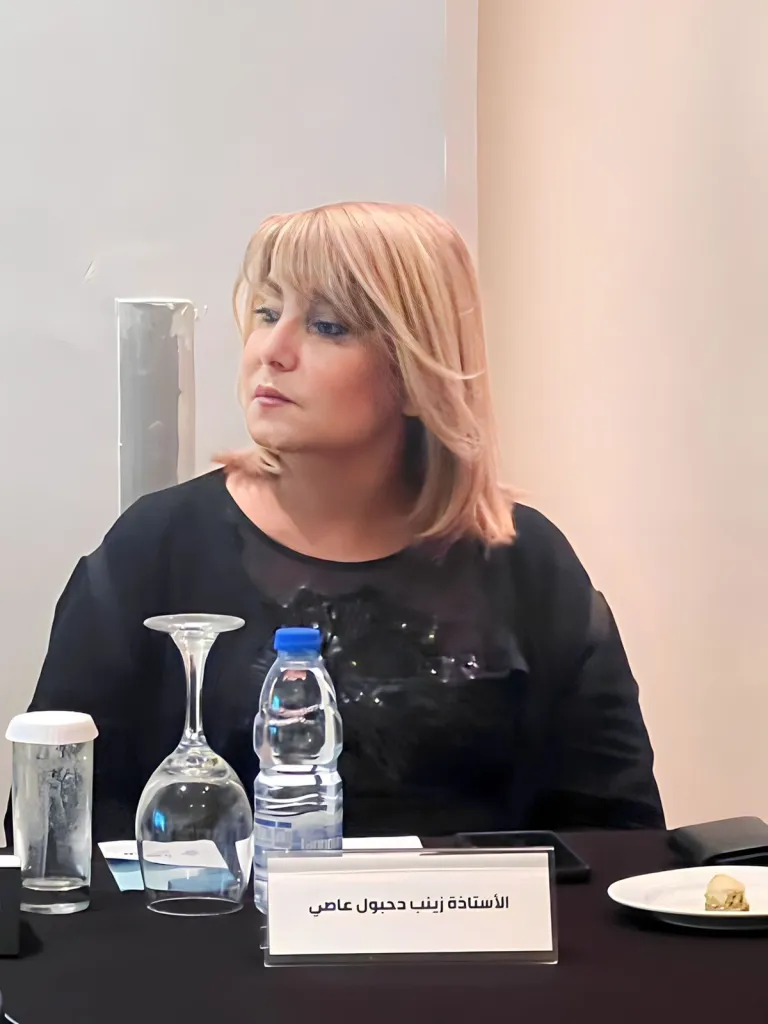
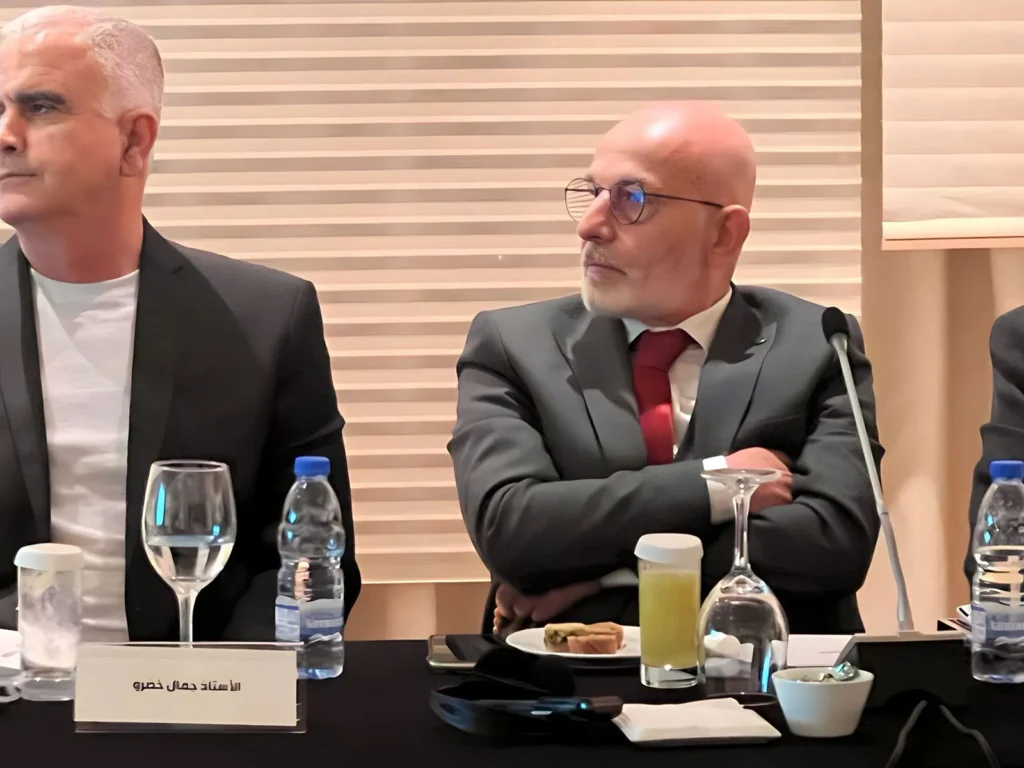
The symposium was attended by the Spanish Ambassador to Beirut, Jesús Santos Aguado, university professors, lawyers, media professionals, and terrorism specialists, in addition to the center’s team.
Dr. Youssef addressed the issue of terrorism and takfir and “the frightening expansion of the phenomenon of terrorism in the world, despite all the resources invested in combating it, and the failure of all strategies and approaches to terrorism.”
Dr. Youssef spoke about the fundamental causes of the phenomenon of terrorism and takfir, explaining its roots and the environment in which it thrived historically.
He shed light on the West’s failures to define terrorism, its true causes, and how to deal with it in the world, in order to cooperate to understand and prevent terrorism and work for peace in the world.
Dr. Youssef explained: “With the approaching third wave of the rise of Islamic groups in the Middle East and North Africa, in its west and east, and in the Sahel and Sahara region, reaching countries bordering the Atlantic Ocean, such as the Ivory Coast, Benin, and Togo, and the associated third wave of terrorism in Europe and the United States as well, what is required of us is to fulfill the duty of informing and warning the coming third wave that will be deadlier and bloodier than the two previous waves.”
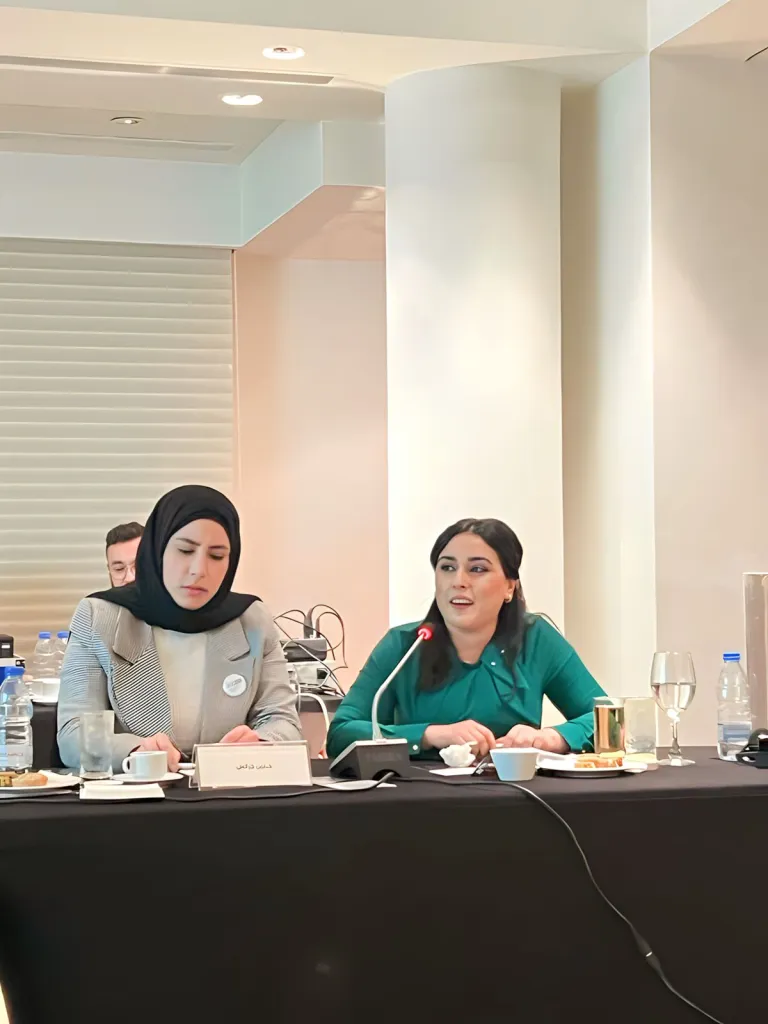
The symposium included an active discussion between the attendees and Dr. Youssef, who took questions about the issue at hand.