ICGER Hosts Seminar on U.S. National Security Strategies — Dr. Youssef: Trump’s New Strategy Could Cost Washington Its Global Standing

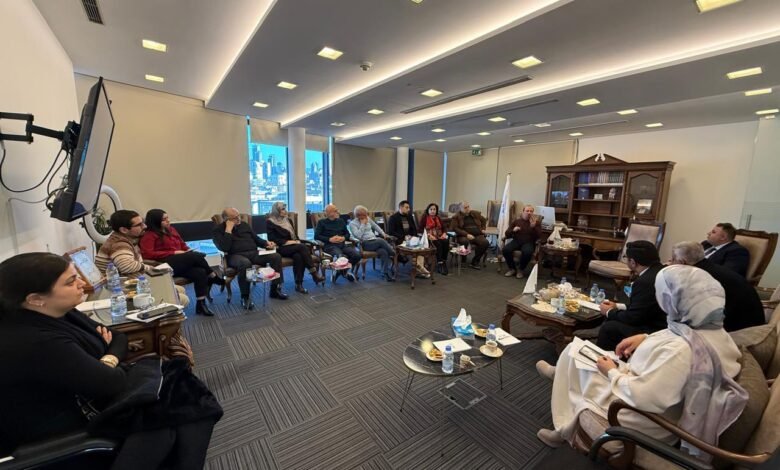
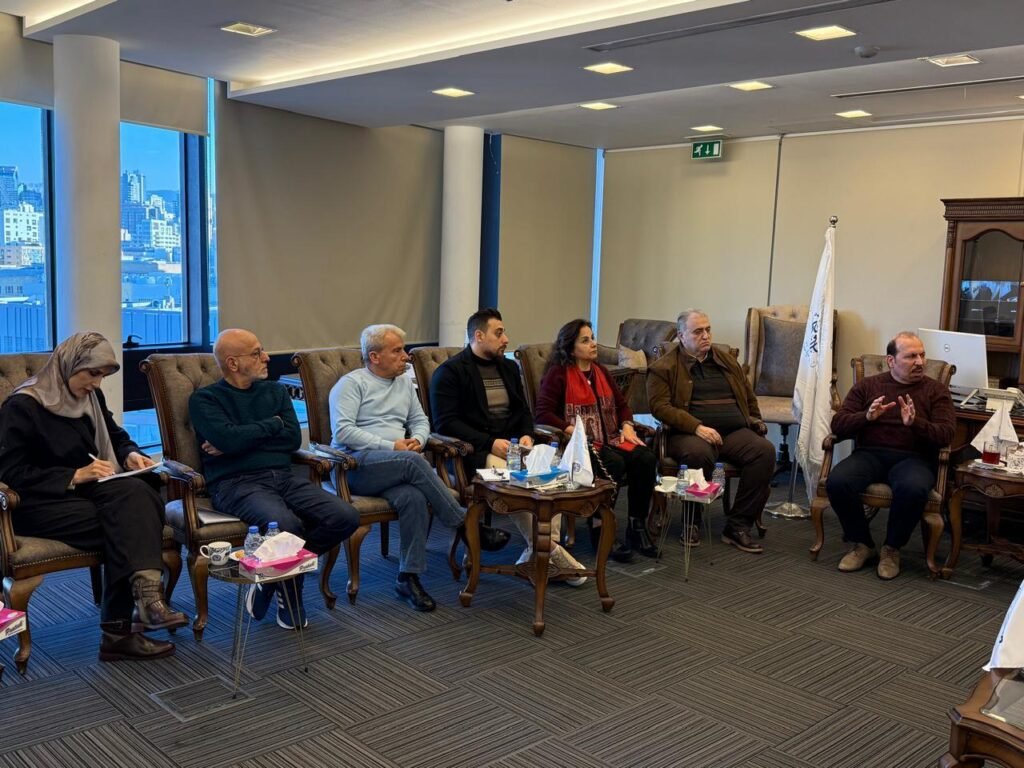
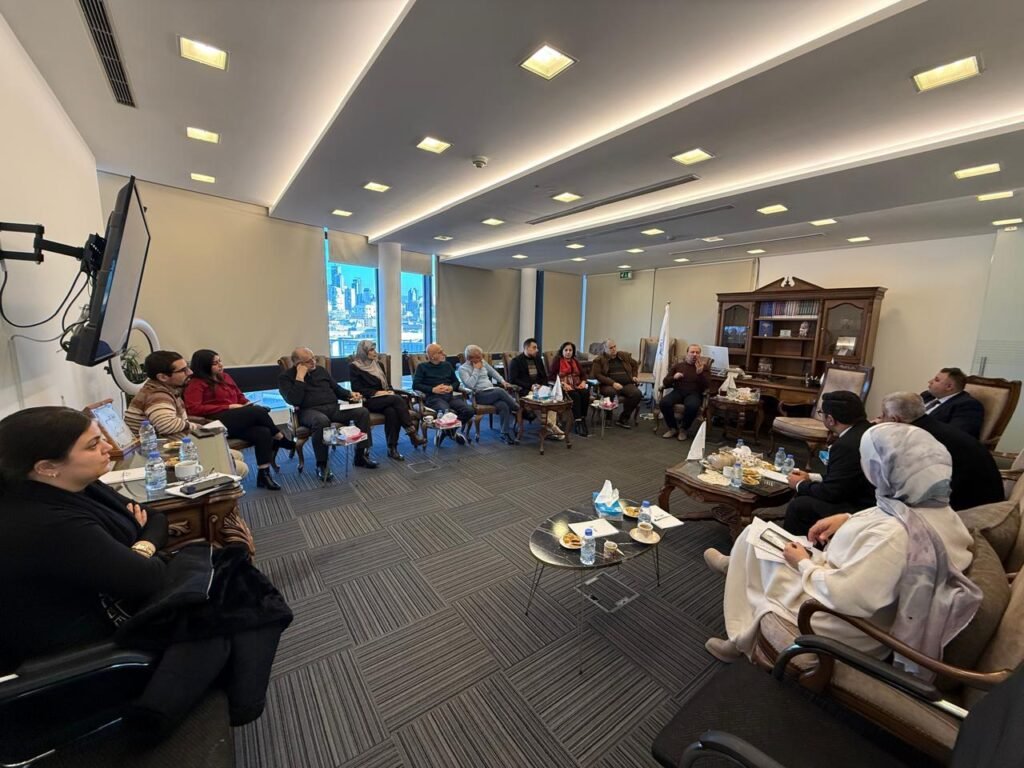
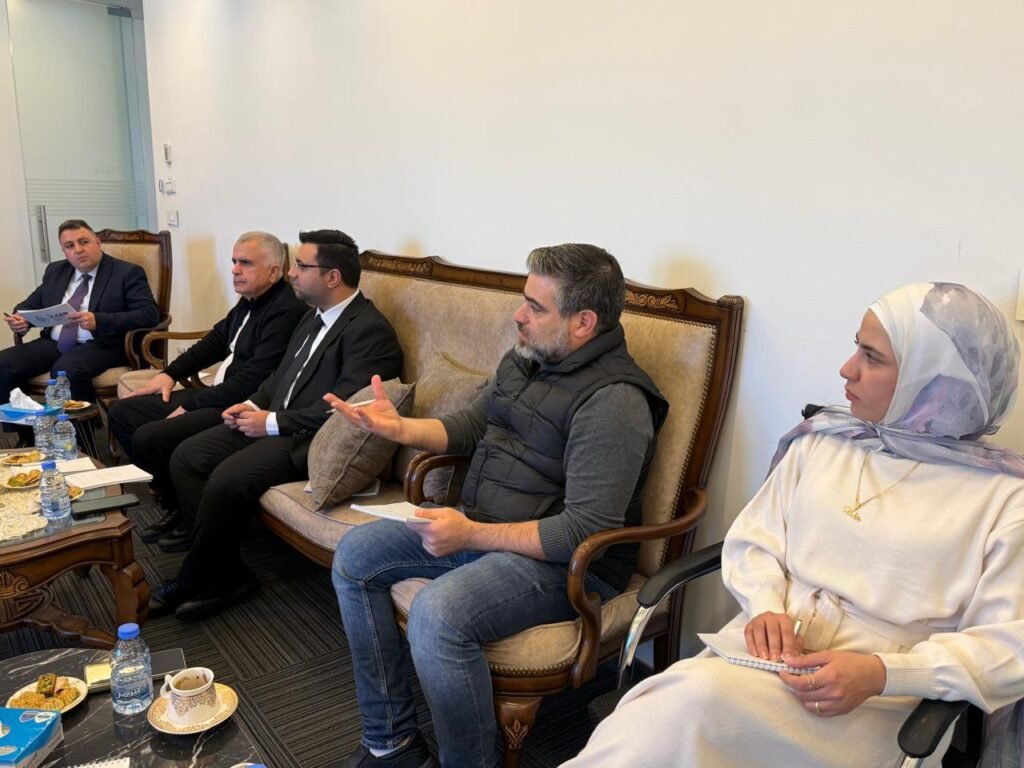
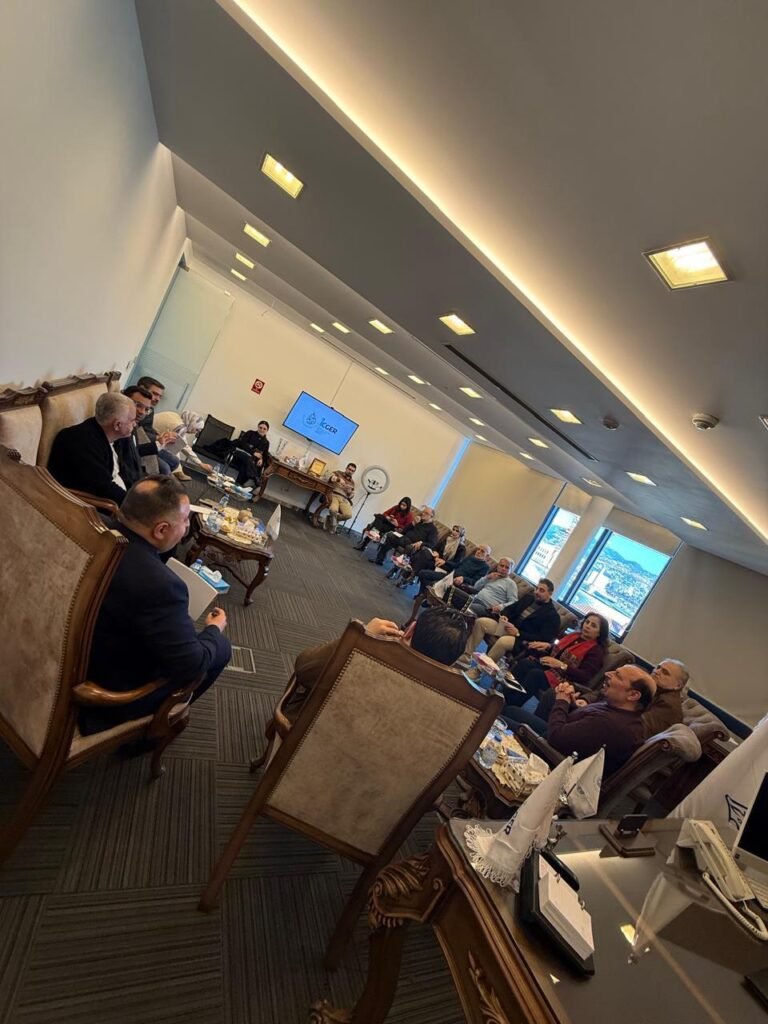
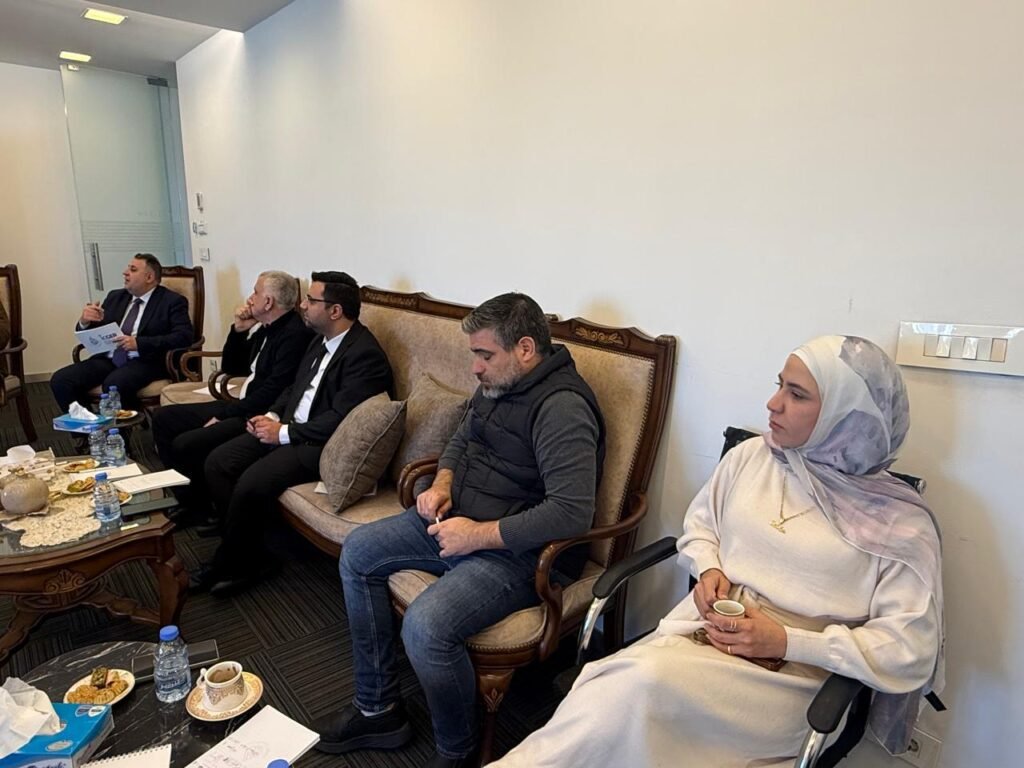
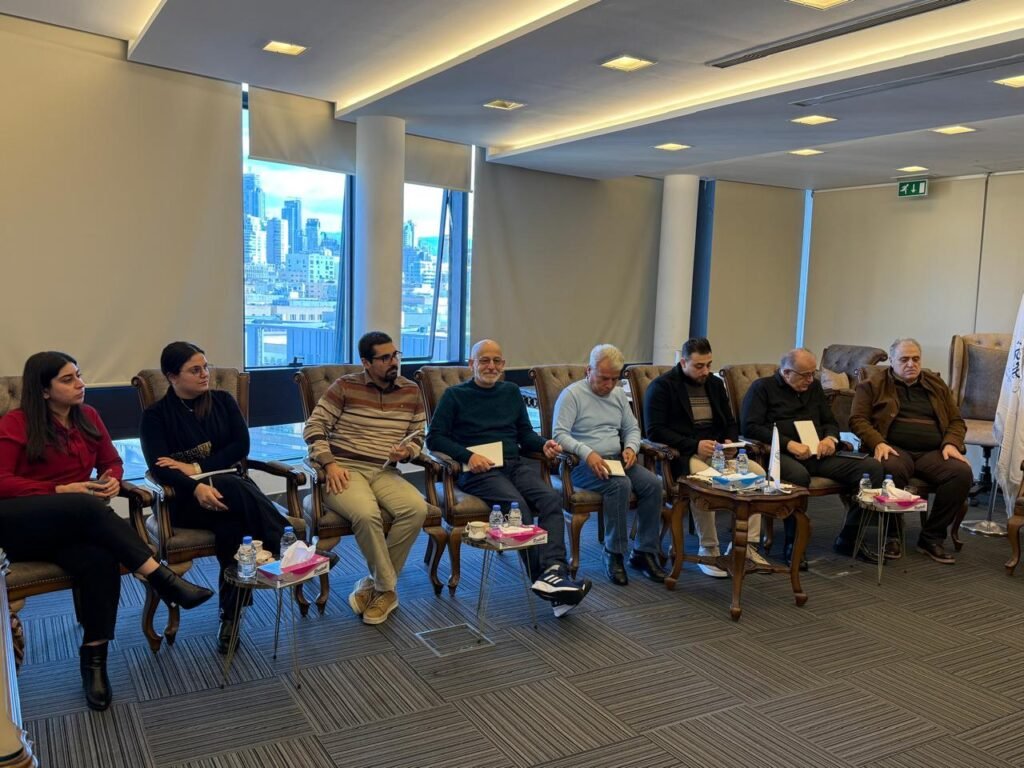
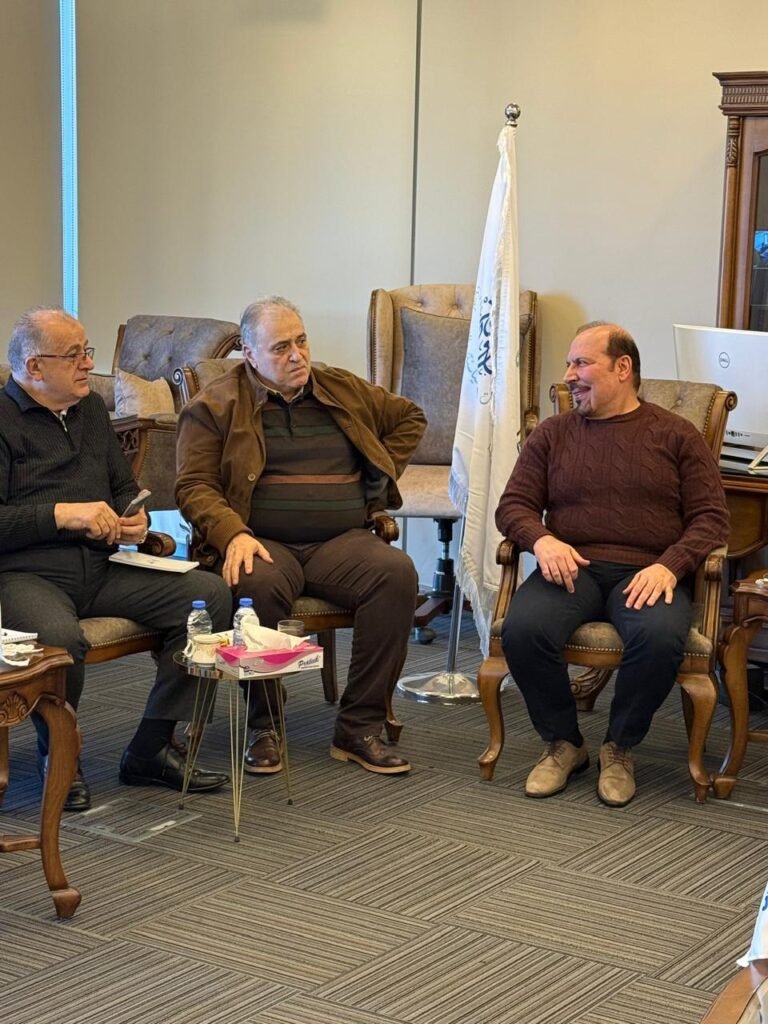
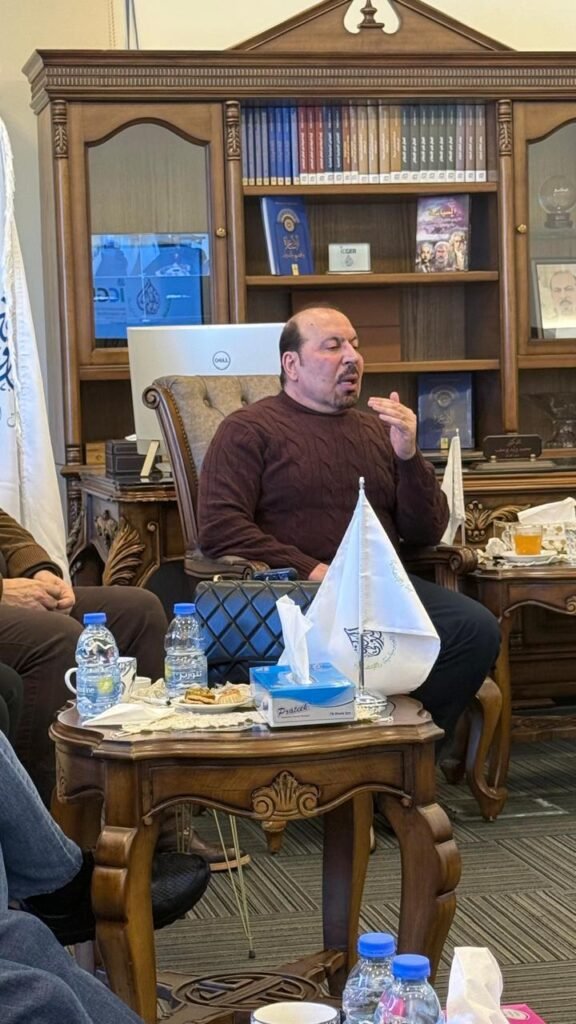
On Wednesday, December 17, 2025, ICGER hosted a seminar at its headquarters in central Beirut titled “Reading U.S. National Security Strategies Between Trump’s Two Terms and the Biden Presidency.” The event included a keynote speech by ICGER President Dr. Mohammad Walid Youssef and was attended by a select group of experts, analysts, and research team members interested in geopolitical affairs.
Dr. Imad Ghanoum moderated the discussion and emphasized that “U.S. national security strategy is not just a political slogan or a campaign speech. Instead, it is the framework used by each American president in their first year in office to identify threats, challenges, and opportunities, establish priorities, and select the tools of power.”
He further stated that the seminar aimed to analyze interconnected developments across multiple trajectories: the “America First” doctrine during President Trump’s initial term; slogans such as “peace through strength” and “Make America Great Again”; the controversial relationship with NATO and the European Union; and the utilization of tariffs as a political instrument within a clear intersection of political and economic considerations.
Ghanoum further explained: “The Biden administration’s approach involves regaining leadership via alliances and security belts, as highlighted in official documents like the 2022 National Security Strategy. This strategy underscores the importance of strategic competition and building partnerships to address adversaries and common challenges. Finally, we explore the developing landscape of Trump’s anticipated second term, following the unveiling of his administration’s 2025 National Security Strategy.”
In his opening remarks, Dr. Youssef examined the historical principles that have influenced the approaches of successive U.S. presidents to national security, emphasizing the structural transformations in American strategy from the nineteenth century through the First and Second World Wars, the Cold War, and into the present day.
He provided a comprehensive comparison of President Barack Obama’s approach to managing influence and burden-sharing with allies; Donald Trump’s inaugural term “America First” policy, which he contended yielded limited outcomes; and President Joe Biden’s strategy, which reinstated the prominence of traditional alliances while maintaining the fundamental aspects of U.S. presence and influence.
Dr. Youssef specifically emphasized President Trump’s new approach in his second term, characterizing it as a significant evolution in American strategic thinking. Instead of pursuing dominance across the entire international system, the strategy intends to reinforce U.S. hegemony within the Western Hemisphere, regarded as America’s immediate and crucial sphere of influence, amidst the emergence of competing global powers and shifting balances of power.
He cautioned that this strategy could potentially result in the United States losing its status as a leading power in the international order.
The seminar ended with an engaging discussion among attendees, focusing on the impact of these changes on the Middle East and the future of the international system.