ICGER Hosts Seminar on Saudi–UAE RelationsDr. Youssef Warns: Proxy War Could Escalate into Air Confrontation over Yemen


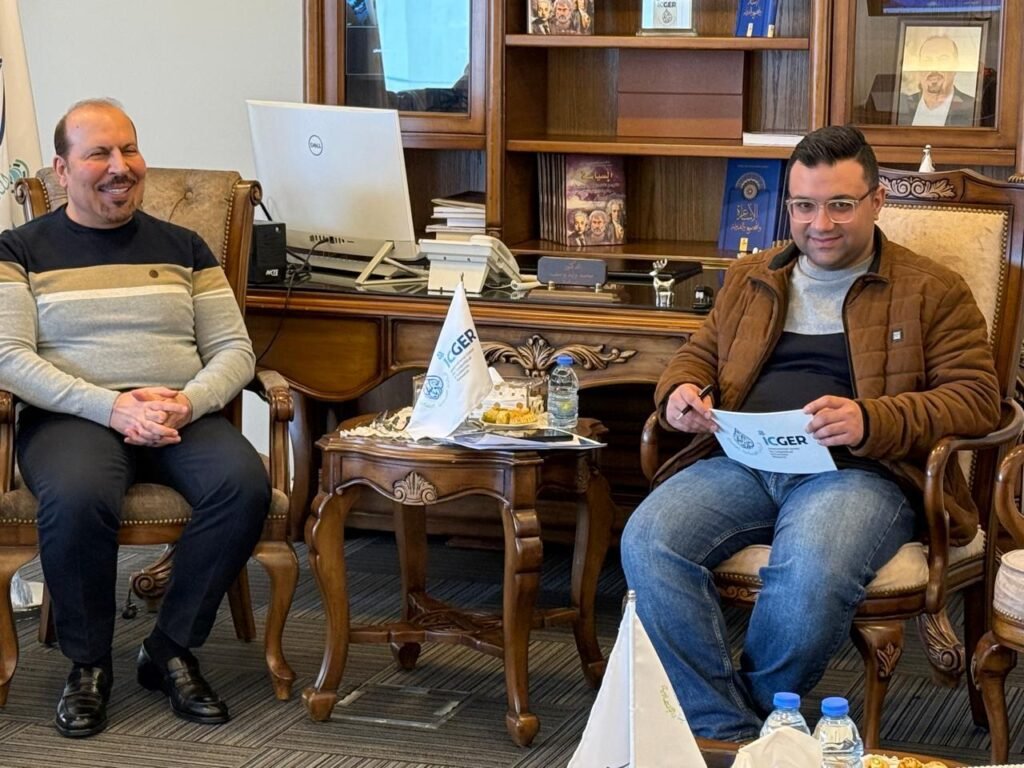
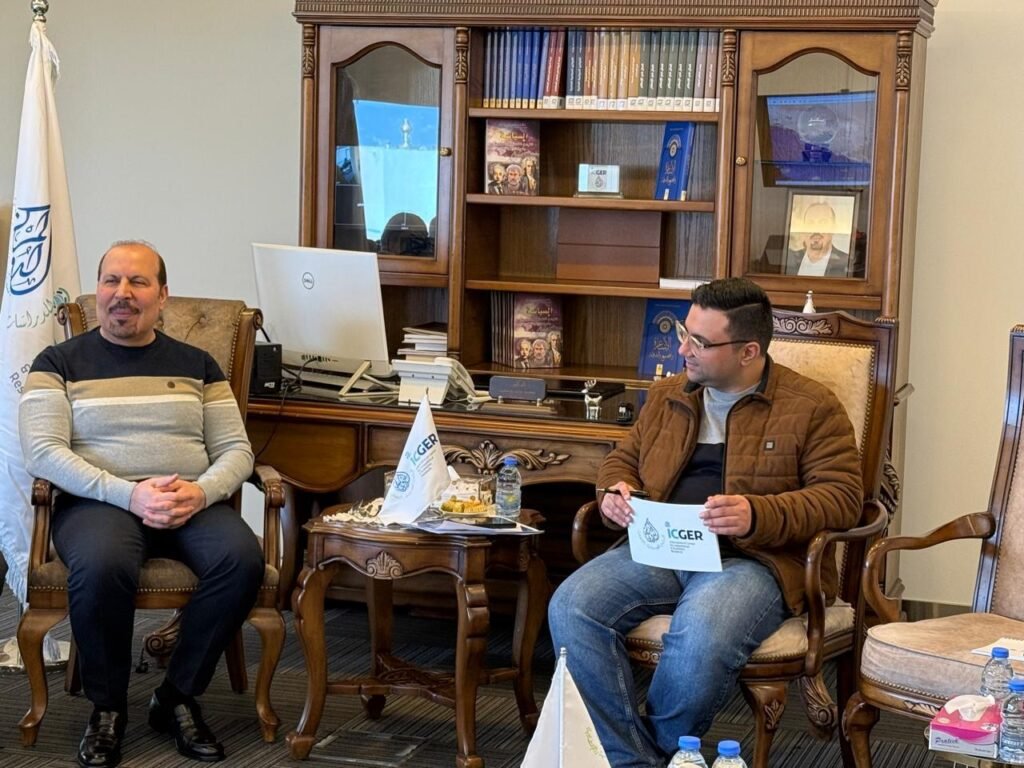
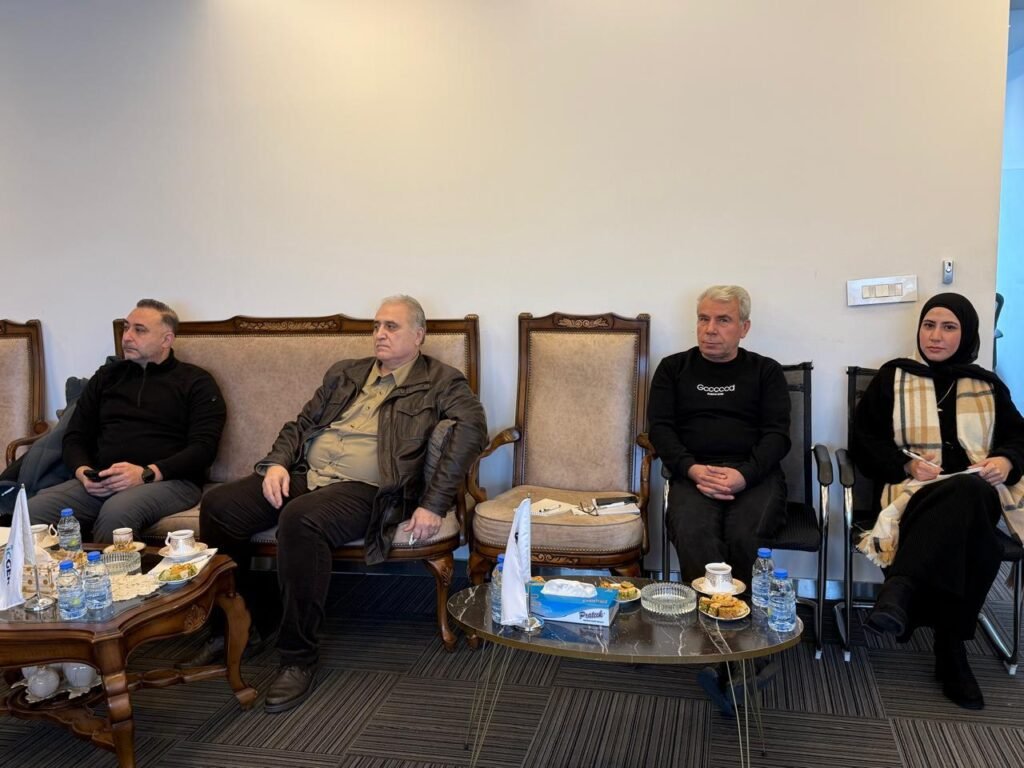
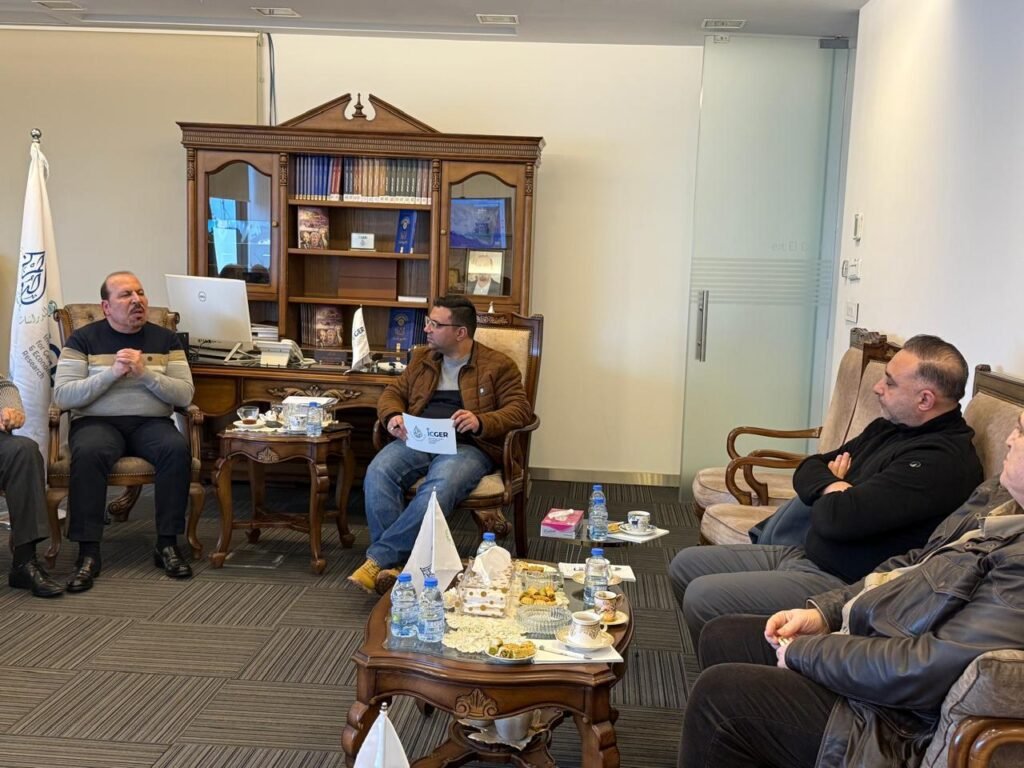
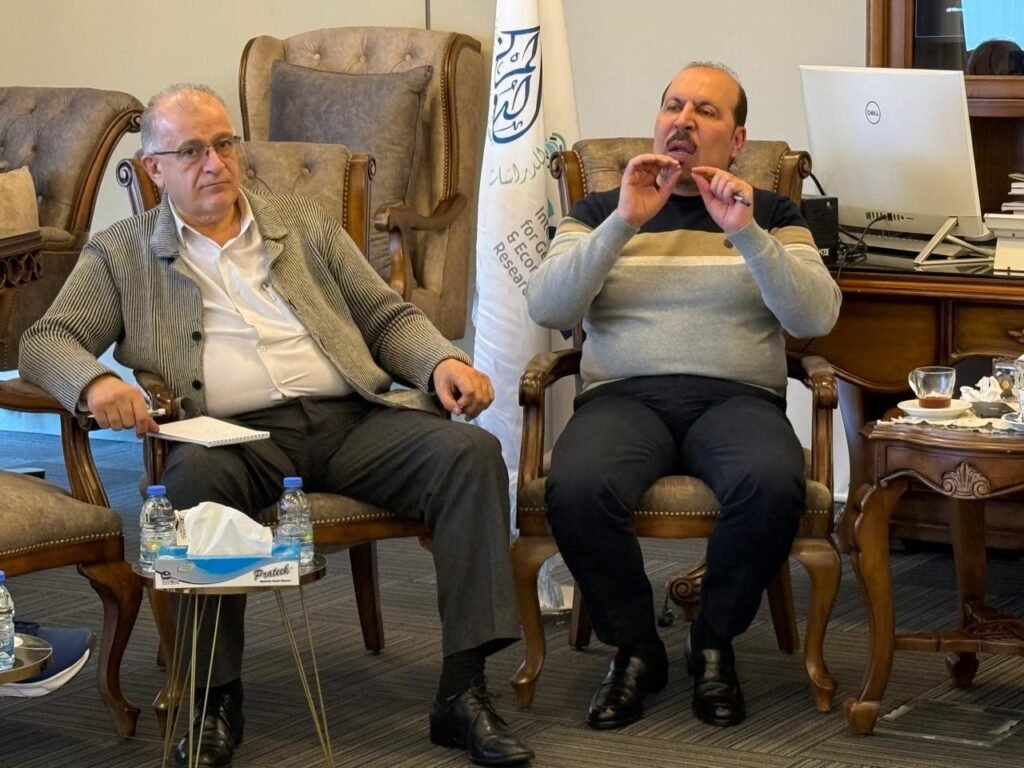
Two days after ICGER released its study “The Mukalla Incident and the Saudi–UAE Conflict,” the center held an internal seminar on January 2, 2026. The event featured its president, Dr. Mohammad Walid Youssef, and centered on the recent Mukalla incident in Yemen, exploring its impact on Yemen’s internal affairs and its wider effects on Saudi–Emirati relations and regional and international alignments of Riyadh and Abu Dhabi. The seminar was attended by a selective group of researchers, analysts, and ICGER staff.
During his presentation, Dr. Youssef explored the historical origins of the Yemeni conflict, differentiating between North Yemen and the former People’s Democratic Republic of Yemen (South Yemen). He emphasized the political and structural differences between the two regions both before and after unification, arguing that these unresolved issues have led to ongoing crises that influence Yemen’s present situation.
Dr. Youssef analyzed the coordination between Saudi Arabia and the UAE after Operation Decisive Storm in 2015, which aimed to restore the “legitimate government” in Sana’a from the Houthi movement. He observed that this cooperation was driven by specific regional and security factors. However, over time, their interests in Yemen started to diverge, with the UAE focusing more on protecting its strategic and economic interests along southern Yemen’s coast and the Bab al-Mandab Strait.
He warned that Yemen might become a complete proxy battleground between Riyadh and Abu Dhabi, warning that this could lead to a direct conflict if both sides offer overt air support to their local allies. He suggested this could result in an aerial clash between Saudi and Emirati aircraft over Yemen, posing significant regional dangers.
Dr. Youssef emphasized that Saudi Arabia and the UAE are currently involved in a proxy conflict in Sudan. Riyadh supports Sudanese army commander General Abdel Fattah al-Burhan, while Abu Dhabi backs the Rapid Support Forces led by Mohamed Hamdan Dagalo, also known as “Hemedti.” He noted that a comparable proxy situation is developing in Yemen, with Saudi Arabia supporting the Islah bloc connected to the Muslim Brotherhood and the UAE backing the Southern Transitional Council.
He also suggested that another proxy conflict could surface in Syria. Dr. Youssef noted that Saudi Arabia has taken on a role as a supporter of the new government in Damascus, whereas the UAE is more reserved in its involvement because of the jihadist origins of the authority. Instead, Abu Dhabi might choose to back other Syrian groups, like the Kurds, Alawites, and Druze, as strategic counters.
The seminar concluded with an open discussion, during which Dr. Youssef addressed questions and comments from participants.