Dr. Youssef: War Against Iran Will Resume Next Week; Early Indications of a Coup Against Putin Emerging

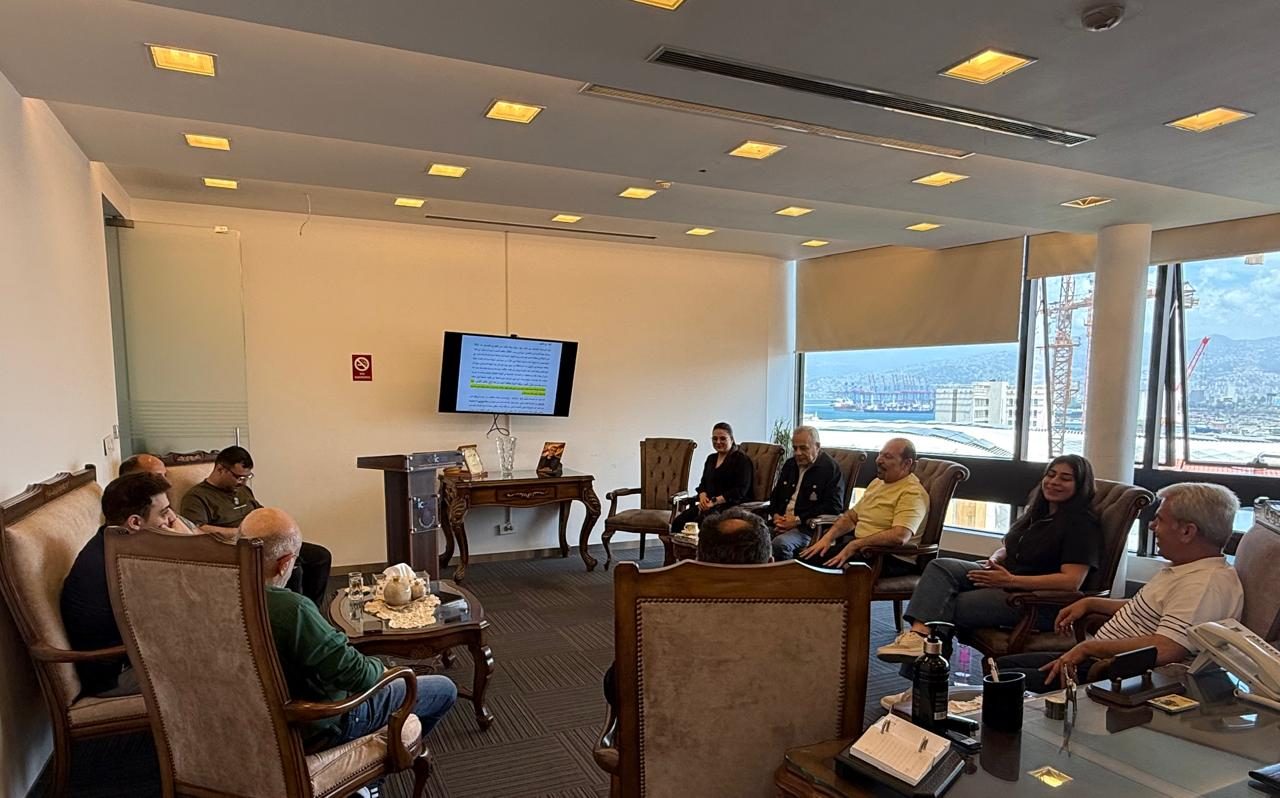
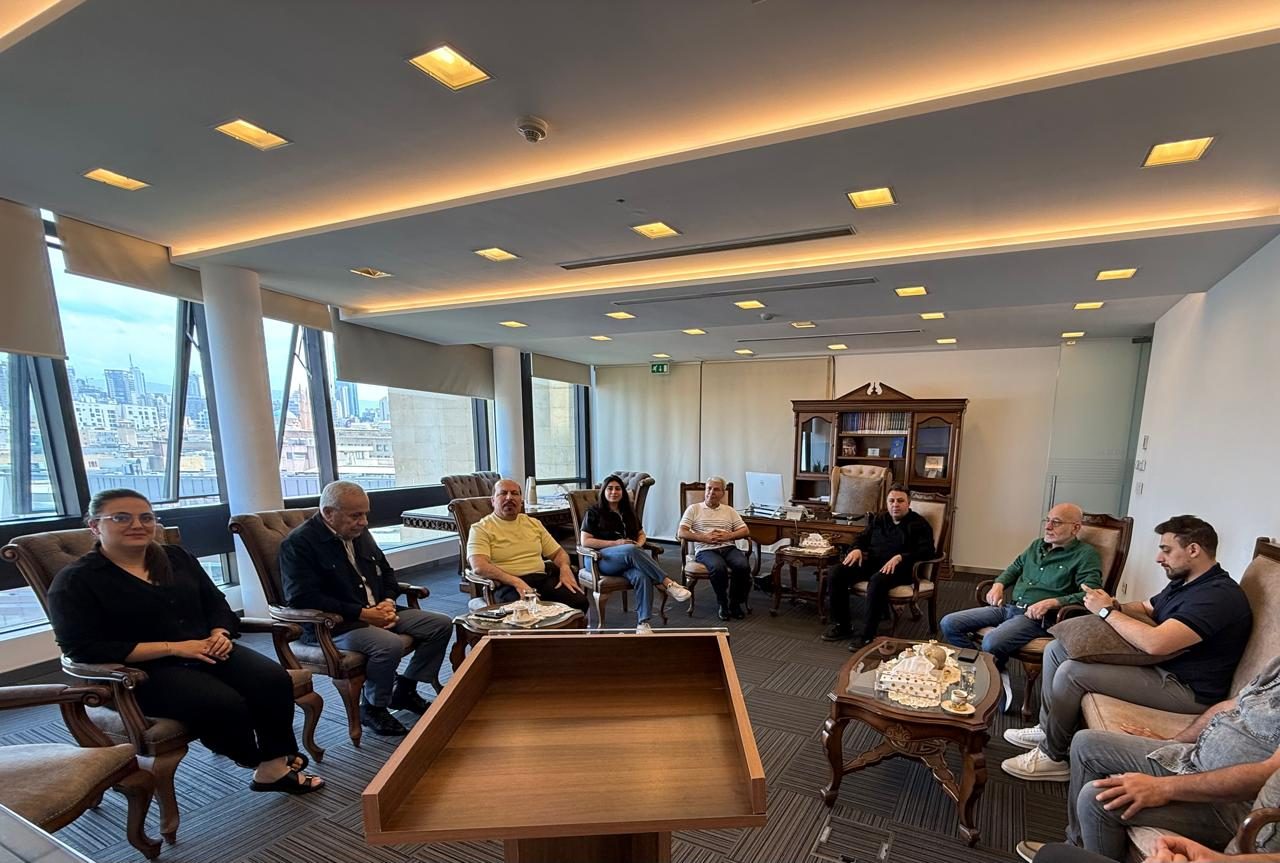
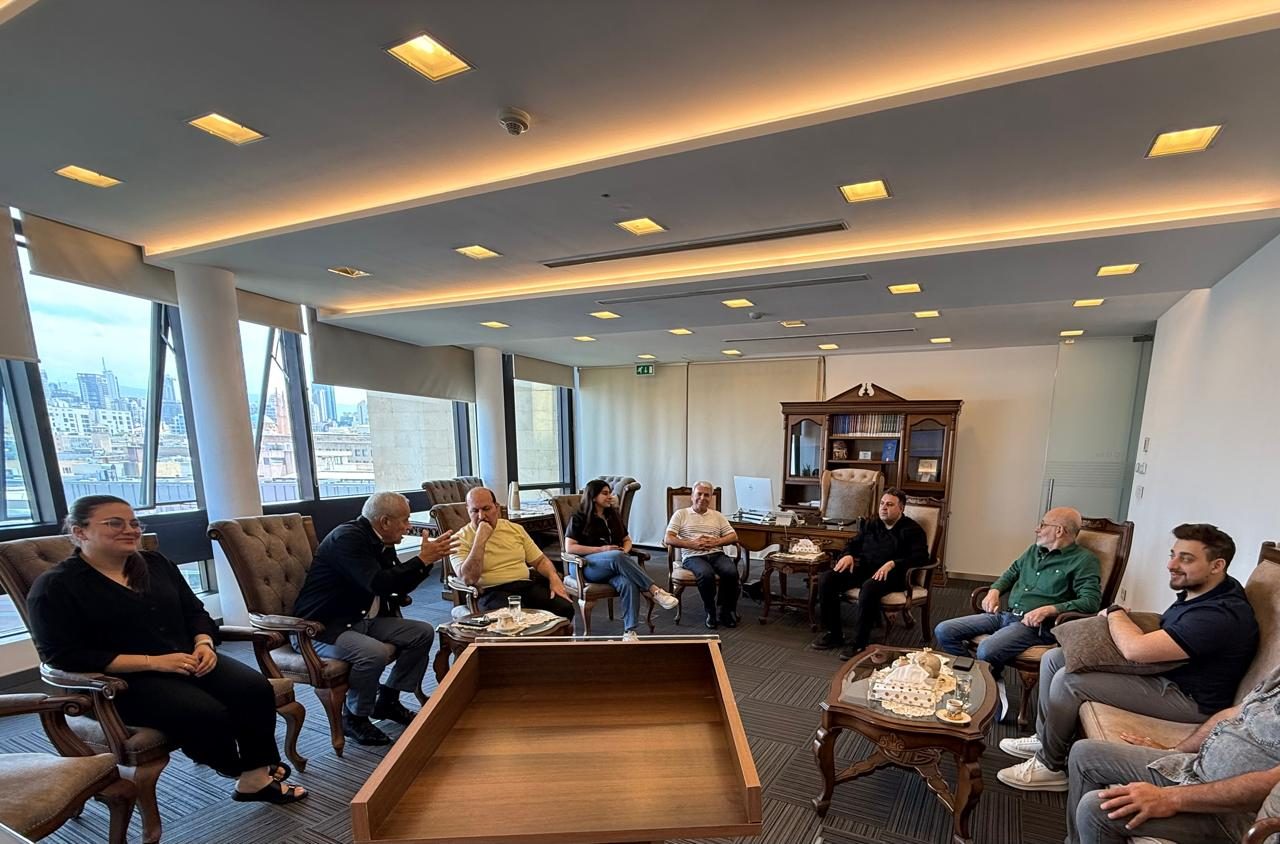
On Friday, May 15, 2026, the ICGER hosted a discussion with the Center’s President, Dr. Mohammad Walid Youssef. The conversation focused on major regional and international developments, especially the U.S.-Israeli conflict with Iran and the strategic shifts occurring globally and in the region.
During the session, Dr. Youssef provided a detailed geopolitical analysis of the current situation. He suggested that military actions might restart next week, motivated by U.S. President Donald Trump’s desire to showcase a quick victory ahead of the 2026 FIFA World Cup, which will be hosted by the United States, Mexico, and Canada.
Dr. Youssef noted that delaying confrontation isn’t viable in Trump’s strategy since he can’t stay at war during the World Cup. He emphasized the upcoming U.S. congressional midterms, suggesting that the current situation offers a limited and urgent opportunity from America’s view, leaving no room for postponement.
He mentioned that the United States plans to initiate a heavy bombing campaign against Iran within the coming days to secure victory. This operation would focus on Iran’s energy resources, civilian infrastructure, and military sites.
Dr. Youssef highlighted the rise of a “quantum” political setup, exemplified by the strategic defence pact between the UAE and India. India maintains a complex stance, being an ally of Iran, the UAE’s rival, and also an ally of Israel. He suggested that this arrangement serves as a balancing and equivalent response to the Saudi-Pakistani defence agreement signed in September 2025, within the larger framework of regional and international alliances and blocs.
Dr. Youssef mentioned that Russia is going through a very challenging phase. He observed that various internal signs are emerging, suggesting the potential for significant political changes in Moscow, possibly including early indications of a coup against President Vladimir Putin between 2026 and 2027.
The session ended by highlighting the importance of monitoring major international changes using a scientific method rooted in the Center’s approach to analyzing political developments and predicting the paths of conflicts and alliances in the global system.