ICGER Seminar Examines U.S. Military Withdrawal from Iraq and Its Regional Implications

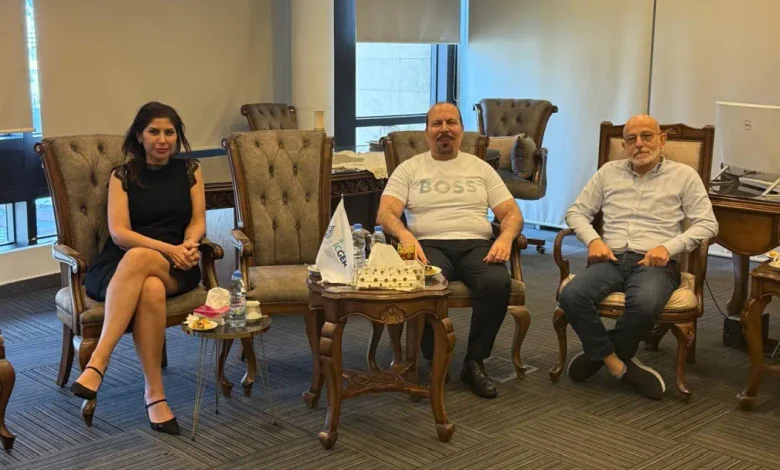
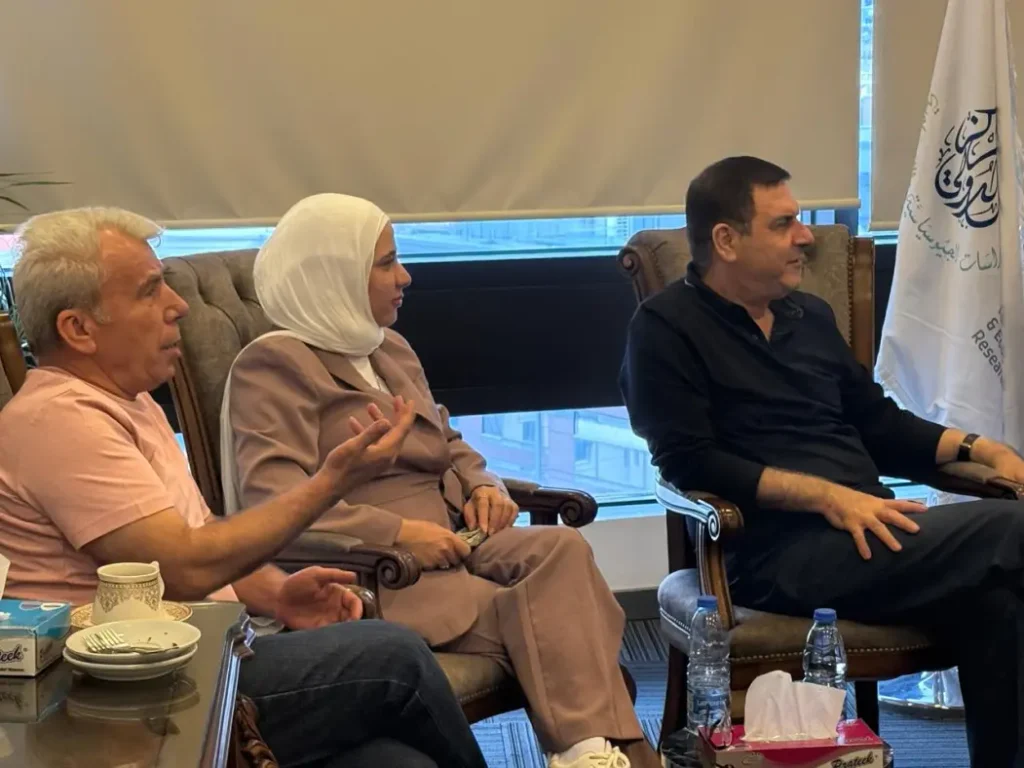
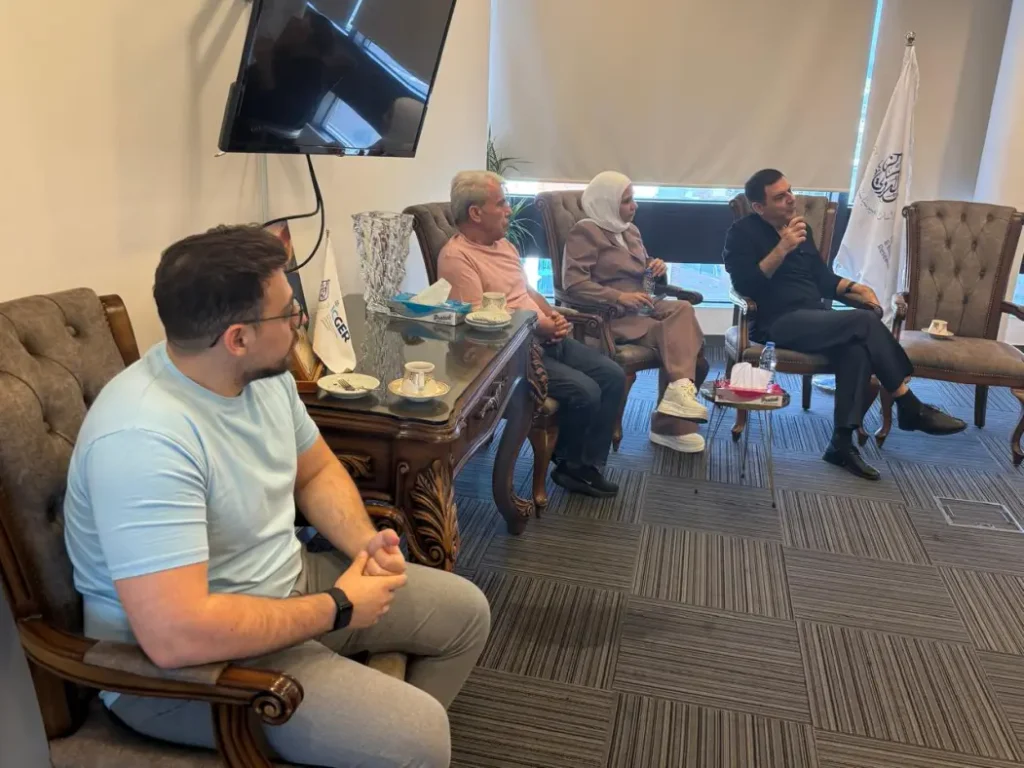
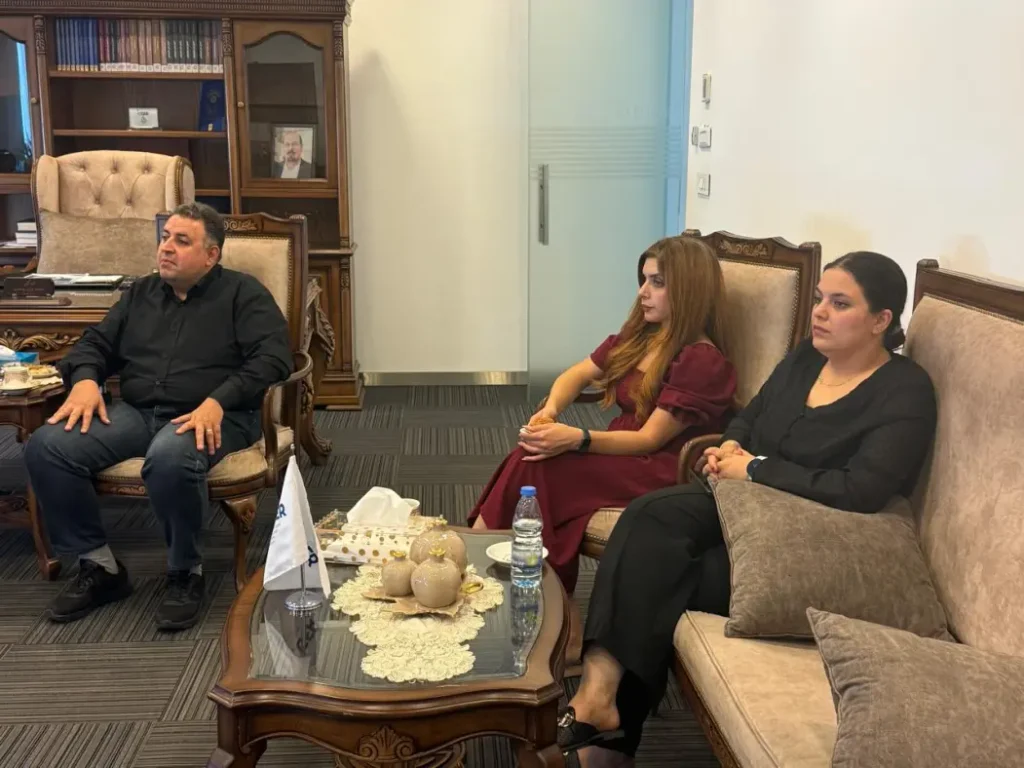
ICGER held a seminar at its Beirut headquarters on Wednesday afternoon to explore the implications of the U.S. military withdrawal from Iraq and the exit of American forces from the Erbil base. The center’s founding president, Dr. Mohammad Walid Youssef, addressed the political and military context of these events and discussed their possible impacts on Iraq and its neighboring countries.
Dr. Imad Ghannoum, the seminar’s moderator, opened by explaining that this event is part of ICGER’s weekly geopolitical seminar series. This series explores developments across the Middle East and beyond, emphasizing changes in inter-state relations and regional and global power dynamics.
Dr. Ghannoum noted that the discussions draw on the scholarly approach developed by Dr. Youssef, which guides the center’s work in examining geopolitical events, analyzing their interconnections, and assessing their likely trajectories. This approach is grounded in Youssef’s identification of the underlying laws governing political developments.
In his address, Youssef reflected on the context of the U.S. withdrawal from Iraq in 2011, highlighting key events such as the killing of al-Qaeda leader Osama bin Laden and the Arab Spring protests. He pointed out that intense political and media focus on these issues caused the Iraq withdrawal to become less prominent in public discussion.
Dr. Youssef contextualized the current withdrawal as part of the U.S.–Iran conflict, highlighting attacks on American bases and military sites throughout the region. He suggested that pulling U.S. troops out of Iraq might lower their risk of attacks by Iraqi armed groups and alleviate some military pressures linked to their deployment in the country.
Dr. Youssef also analyzed how the withdrawal might affect Iraq’s internal power dynamics. He contended that without a U.S. military presence, there would be increased opportunity for Iran and its allies to extend their influence, possibly bringing Iraq fully under Iranian control. He identified this as one possible consequence of the political and security changes resulting from the withdrawal.
He emphasized that the withdrawal of U.S. forces from Iraq would not necessarily cause the armed groups to disarm. He suggested that their ongoing military strength might give Tehran more influence over events in Iraq and the broader region, going beyond just the American presence.
Dr. Youssef also pointed out that Iran-aligned groups might be employed to apply military pressure on nearby countries or to conduct attacks, especially against Kuwait and Saudi Arabia. He linked these worries to the potential regional security impacts of the withdrawal, stressing that its effects should be evaluated in light of Iraq’s internal power dynamics and its relationships with neighboring nations.