ICGER Seminar Examines Growing Houthi Military Capabilities and the Consequences of War for the Mecca Alliance and the Gulf

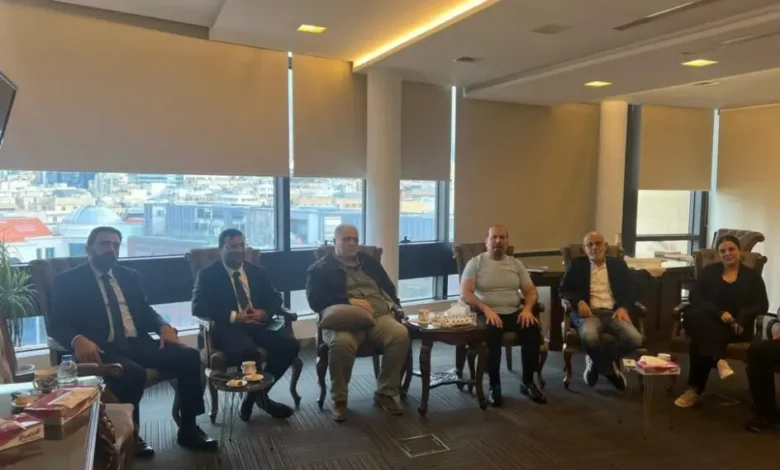
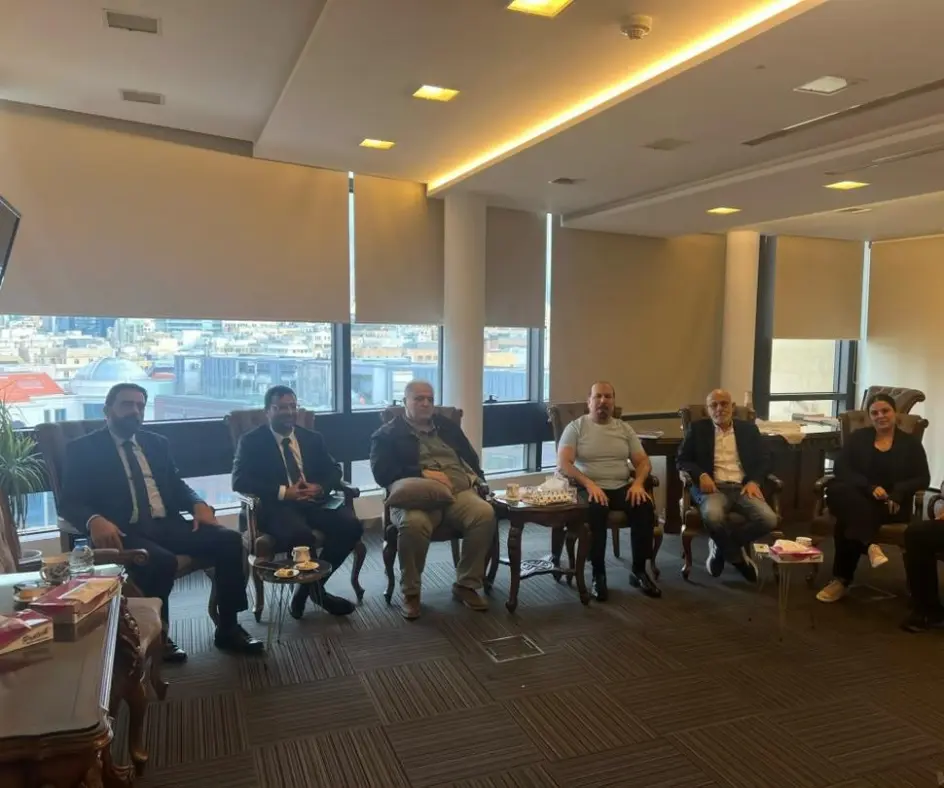
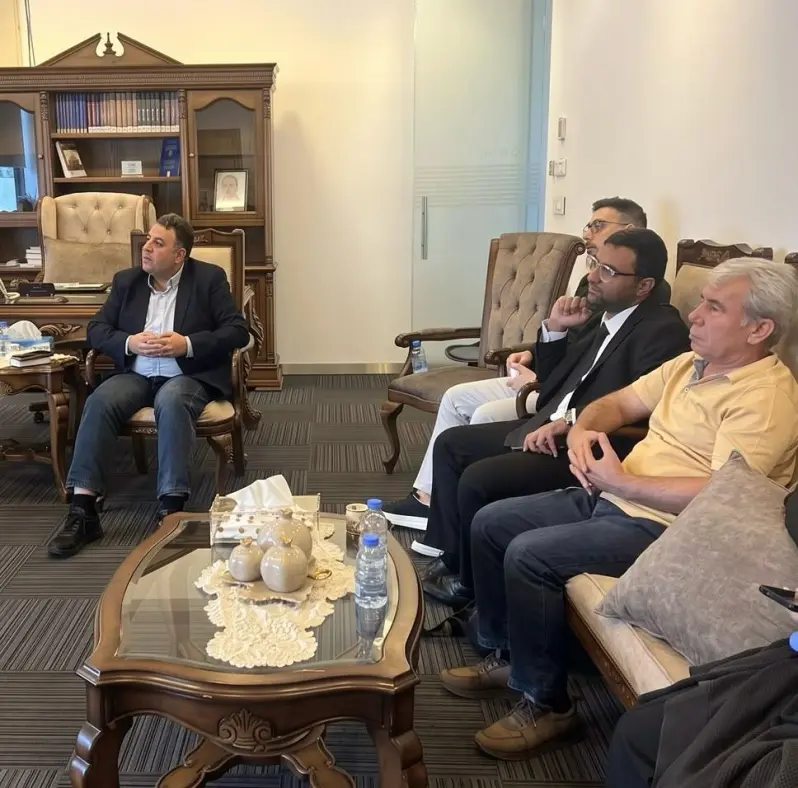
ICGER held its weekly seminar at its Beirut headquarters on Friday afternoon, October 16, 2026. The seminar, attended by figures from intellectual and political circles, examined the growing capabilities of Yemen’s Ansar Allah movement, commonly known as the Houthis, the course of the war in Yemen, and the potential consequences for the Mecca Alliance and the wider Gulf region.
Moderator Dr. Imad Ghannoum opened the seminar with welcoming remarks. Dr. Youssef then assessed recent geopolitical and military developments, arguing that the Houthis were no longer the fighters who had once emerged from the caves of Marran. They had acquired advanced technologies, incorporated artificial intelligence into their operations, and greatly improved the precision of their weapons. These changes, he said, require a reassessment of the movement’s military strength and its capacity to engage in future confrontations.
Dr. Youssef argued that Saudi Arabia made a strategic mistake by agreeing to the 2022 truce, which gave the Houthis the opportunity to prepare extensively for the next war and strengthen their military and technological capabilities. He argued that continuing the war at the time, despite the substantial costs and losses, would ultimately have harmed the kingdom less than a truce, which the Houthis had used to prepare for renewed hostilities.
Dr. Youssef also rejected the view that the Houthis are merely an Iranian proxy, arguing that it overlooks the movement’s historical and social roots in the region, its distinct interests, and its determination to defend its own existence. He emphasized that understanding the Houthis’ role requires considering these factors alongside their regional relationships and alliances.
On the conflict’s broader implications, Youssef predicted a series of consequences for members of the Mecca Alliance and the Gulf region as a whole.
Regarding Turkey, he recalled the legacy of past military campaigns in Yemen and the heavy human and material losses they caused, linking that history to the strategic calculations around Turkish involvement in a new confrontation.
As for Pakistan, Dr. Youssef argued that the complexities of its domestic political and social landscape, particularly its substantial Shiite population, would make Islamabad cautious about military involvement because of the potential repercussions at home.
He also maintained that Egypt would stay out of the conflict unless its direct interests in the Suez Canal were threatened.
In addition to assessing current geopolitical developments, Dr. Youssef explored the conflict’s historical and sectarian dimensions, including the origins of Zaydi Islam and its key differences from Twelver Shiism.
He stressed that understanding these historical foundations is essential for interpreting developments on the ground and grasping the conflict’s nature and broader implications. Youssef concluded by emphasizing the importance of viewing contemporary events in light of their historical roots and the transformations that have shaped them over time.