ICGER Seminar Analyzes Yemen War and Its Impact on the “Makkah Alliance” and Regional Stability

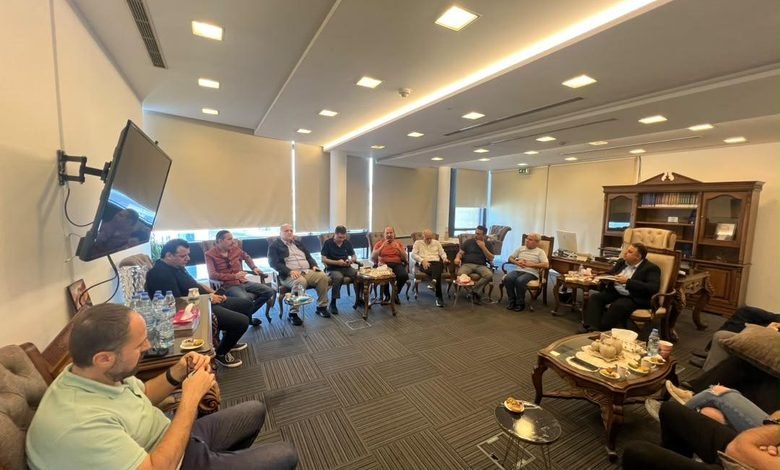
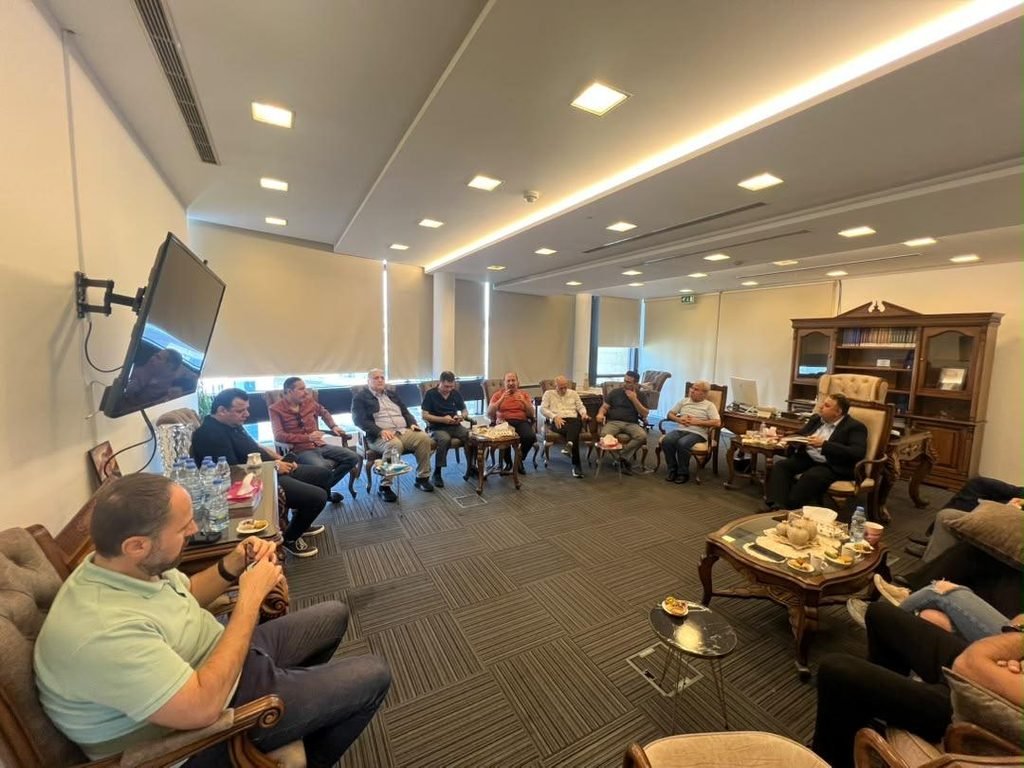
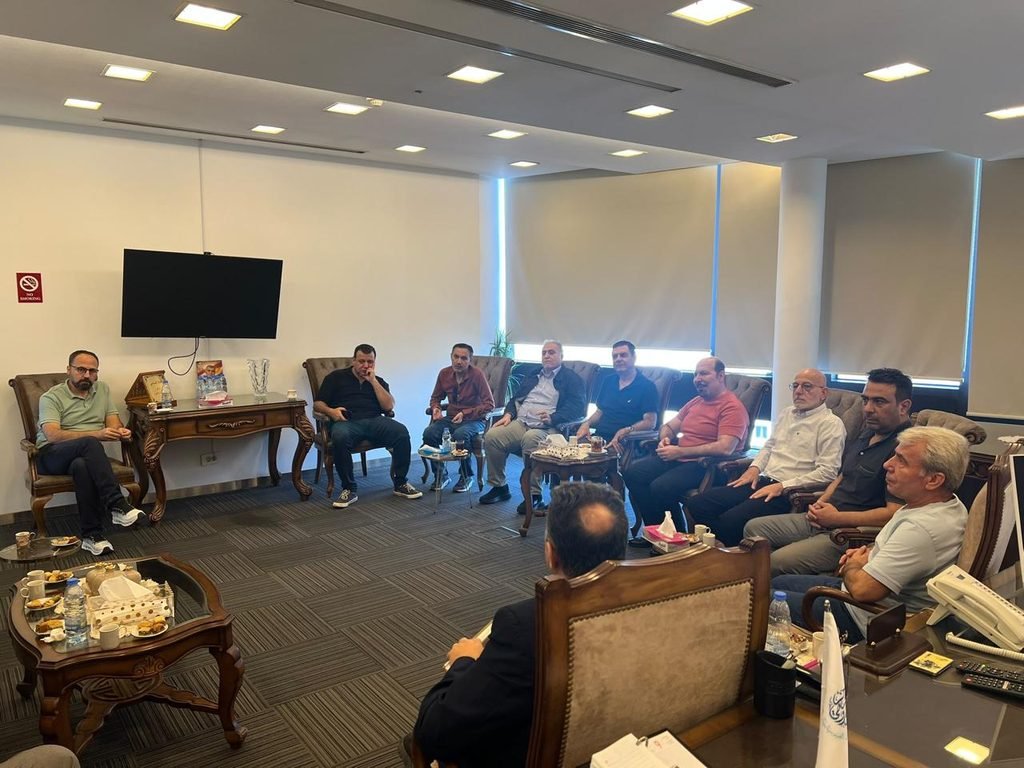
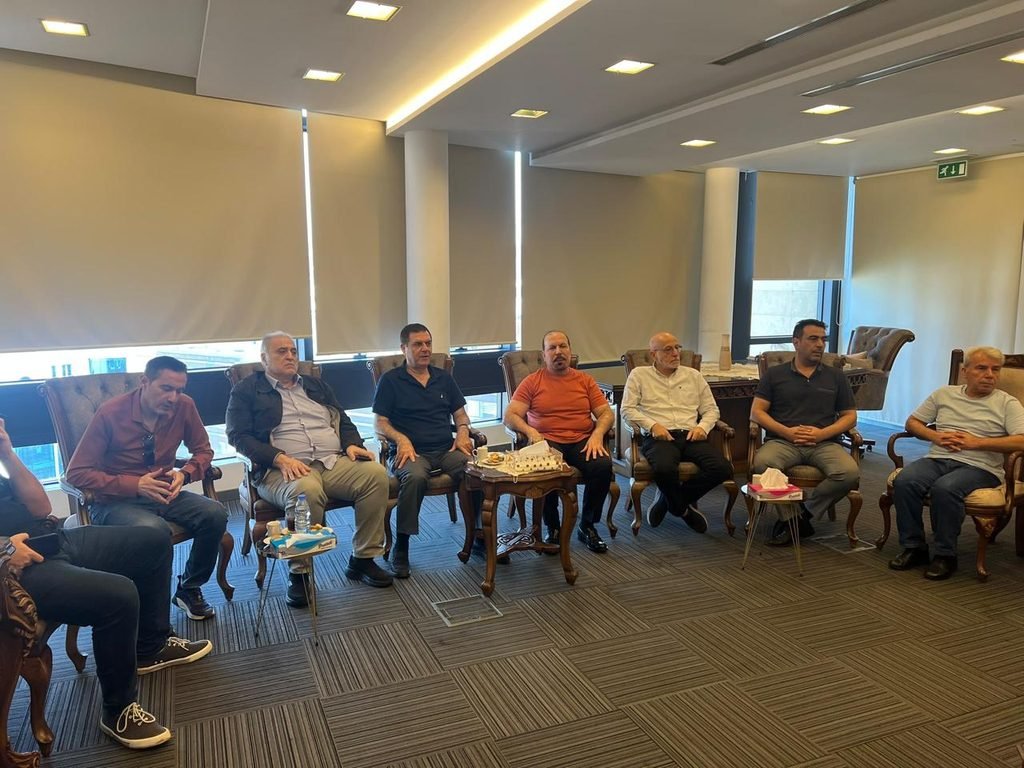
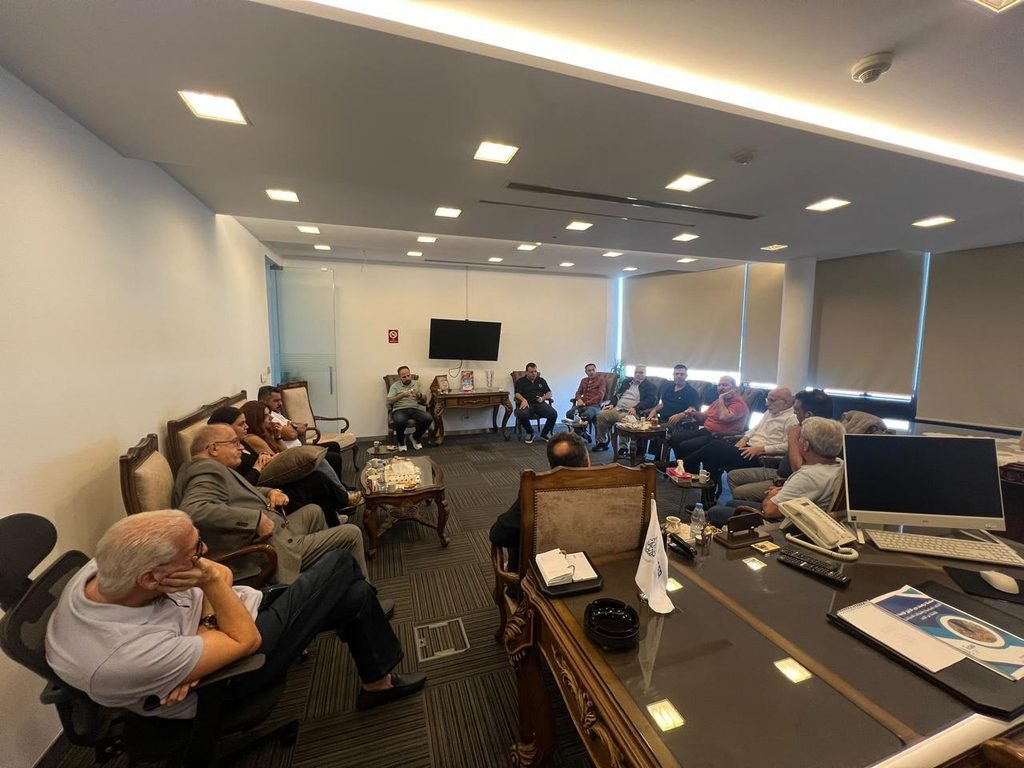
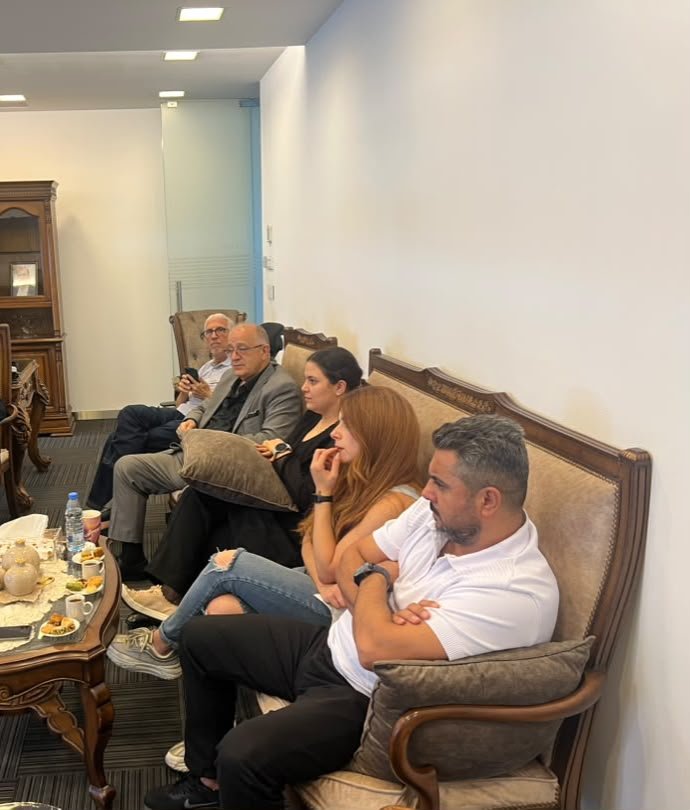
ICGER hosted its weekly seminar at its Beirut headquarters on Friday afternoon, October 9, 2026. The event was attended by intellectuals and prominent figures from cultural, civic, and political circles. The seminar focused on the renewed conflict between Saudi Arabia and Yemen’s Ansar Allah movement, also known as the Houthis, and explored its regional consequences.
Moderator Dr. Imad Ghannoum opened the session by welcoming participants on behalf of the center’s president, political scientist Dr. Mohammad Walid Youssef. Dr. Ghannoum mentioned that Youssef predicted the political and military changes happening across the Middle East in his 2022 book, The Essence of the International Order. He connected these developments to the fundamental principles of international relations and regional conflicts.
Dr. Youssef then analyzed the Yemen war, stating the Houthis had prepared thoroughly. He estimated over 1.5 million trained fighters and highlighted Yemen’s geography and terrain, which make military conquest very challenging.
Dr. Youssef suggested that the “Makkah Alliance” will become more influential in combat efforts but believed that the new Saudi military campaign is unlikely to meet its goals. He argued that the Kingdom’s previous failure during Operation Decisive Storm would likely persist in the current conflict, due to Houthi preparations and the challenging geographic and battlefield conditions.
Turning to the war’s implications for members of the Makkah Alliance, Dr. Youssef focused on Turkey and Pakistan. In Turkey, he argued, opposition parties, particularly nationalist forces, were waiting for an opportunity to challenge President Recep Tayyip Erdoğan. The return of Turkish soldiers in coffins from a conflict that some citizens did not regard as their own, he said, would fuel public opposition and intensify pressure on the government.
Regarding Pakistan, Dr. Youssef highlighted mass protests against the country’s involvement in the Makkah Alliance. He noted that Pakistan’s significant Shia population influences Islamabad’s cautious stance on military actions in Yemen due to possible domestic consequences.
Dr. Youssef also stated that Saudi Arabia’s military options have become limited, prompting it to seek fighters from extremist Sunni groups to fight the Houthis. He mentioned that the kingdom had contacted Syrian President Ahmed al-Sharaa to send fighters into the conflict, cautioning that reliance on these groups could pose significant risks that might ultimately endanger the region’s ruling governments.
Dr. Youssef concluded by warning that the war’s effects could go beyond Yemen, possibly causing the division of Saudi Arabia, demands for control over the Two Holy Mosques in Mecca and Medina, and the secession of the predominantly Shia eastern regions. He also forecasted that these changes might lead to increased Sunni–Shia tensions and their expansion into other areas like Iraq, Syria, and Lebanon.